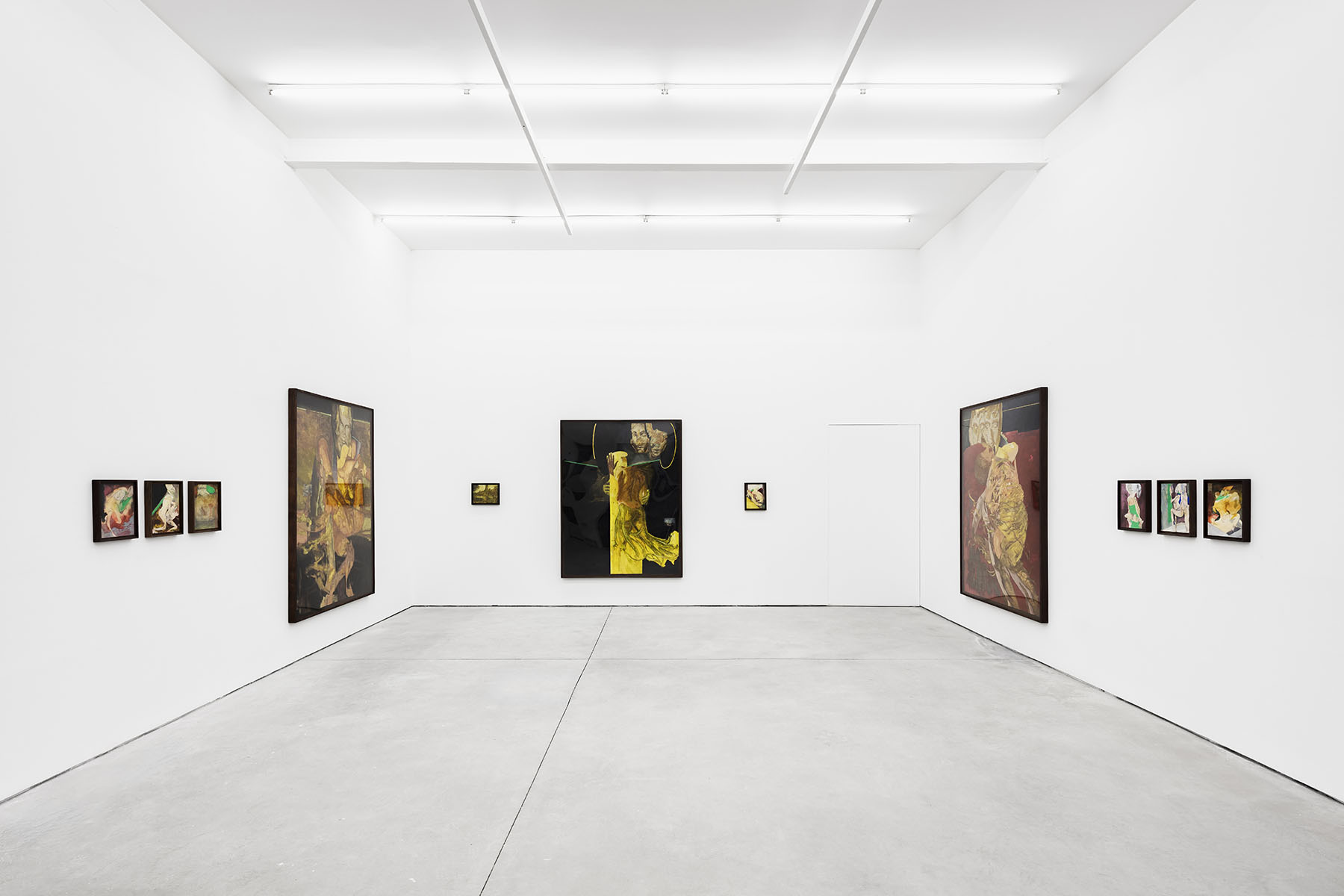
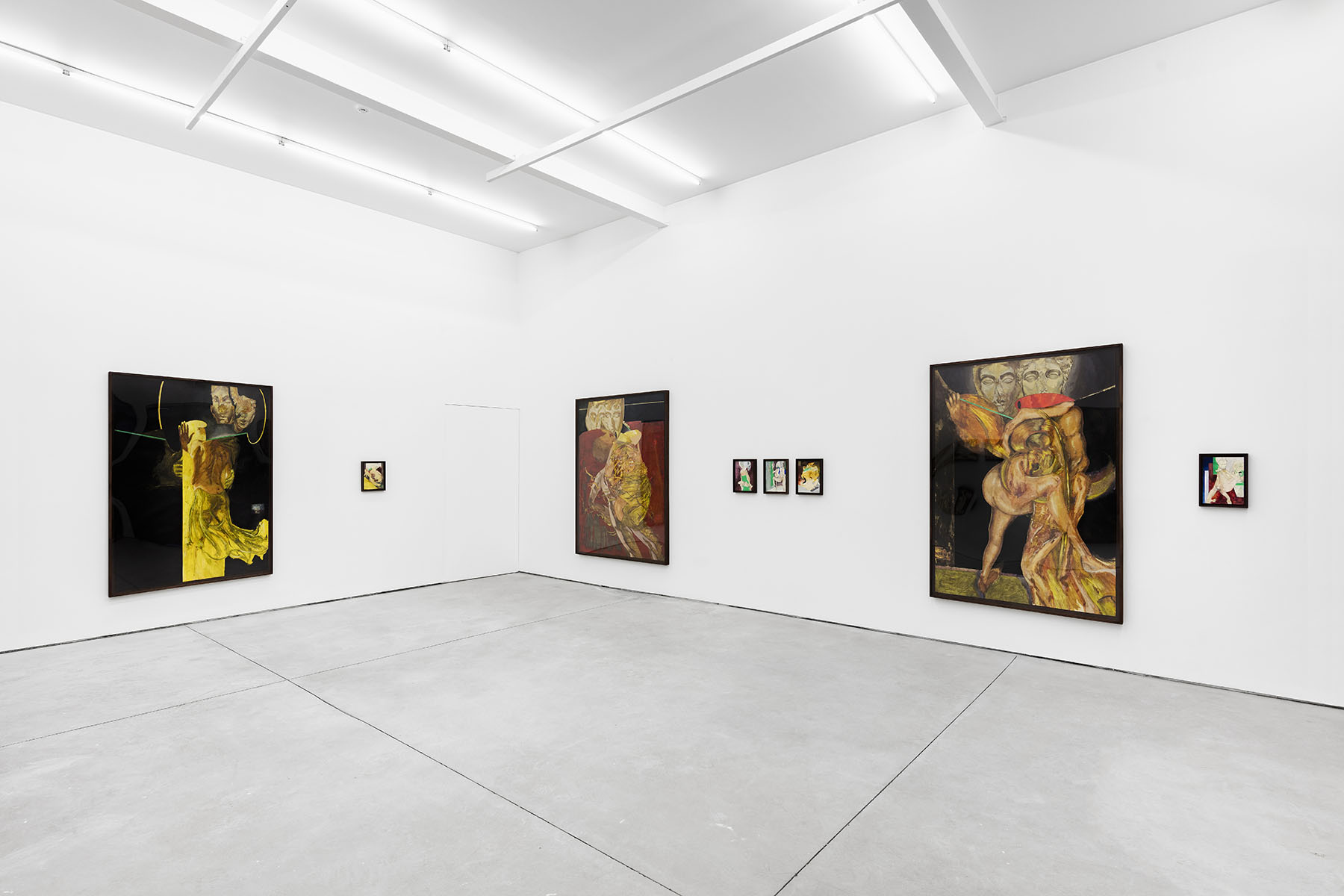
The Inevitable Condition
18.10.2026
19.12.2026
The Unmatched or Discordance, and the Mark of the Contemporary What characterises Contemporary Art is that, despite all its apparent strangeness, it remains in a positive relationship with history — for, even if it does not derive from a historical or historicist framework such as that which once characterised Modernism, it still retains the potential to engage with historical time — is that it now relates to diverse times, spaces, places and modes of thought of a wholly different nature. The phenomenon of accelerated globalisation, which has unfolded on a massive scale over the last three decades, has inevitably affected the entire cultural and artistic fabric in radical ways that have transformed the processes underpinning this relationship: unlike the previous internationalist model, which, during the modernist period, saw the persistence of the relationship between centre and peripheries—where the periphery clearly responded to the centre (the centre being the place where the most avant-garde and exemplary creative experiments took place, which then radiated outwards) and, to a certain extent, followed and amplified it, the temporal model of the contemporary can no longer be reduced to a single central meaning, let alone a centralising idea.Today, there are multiple centres, and for that very reason, they can constantly shift and be redefined. In the present day, often referred to as the ‘post-historical’ era, an event of the utmost artistic significance may suddenly take place and assume a scale that reorganises – even if only temporarily – all processes, originating from a location situated outside any centre: for example, a biennial held in a peripheral city may, at a certain moment, host a series of creative projects that take centre stage and capture the attention of the so-called art world. The same applies to the ways in which spaces are redefined, and indeed to the way in which artists are constantly redefining the artistic situation. It is therefore no longer possible to conceive of the fixed existence of established centres of influence, such as Paris was at the beginning of the 20th century or, later, in the second half of the 20th century, New York, but rather to recognise that the very notions of centre and stability have been stripped of meaning and that, today, an artist or any other figure participating in this system may suddenly attract attention and gain unexpected prominence through their work and their location, demonstrating that recognition can arise without the need for exceptional circumstances. The very relocation of art galleries from the former centres to the peripheries reflects this general movement towards the decentralisation and fragmentation of events. If we see today, on the international scene, emerging artists such as George Rouy or Amoako Boalfo, who, despite their youth, have rapidly become key figures, this corresponds to the new model of mobility and extreme displacement that characterises the processes through which the very notion of contemporaneity spreads. The same applies, likewise, to the emergence of women artists. Not so much because there is a general willingness to embrace the practices of women artists – although this has certainly played a part – but because, within a constant state of flux and openness to all possibilities for the use of materials and experimentation, artistic practice and, with it, art itself, have definitively ceased to conform to established forms and practices (painting, sculpture, photography), just as they no longer require the prior guarantee of being part of a given current, movement or form of expression.Consequently, the notion of time and temporal relationships – which had long been associated with the idea of a successive progression beyond previous historical patterns – has lost all validity. Contemporary art is, to a large extent, precisely that because it embraces the possibility of establishing fruitful dialogues with other temporal planes, often situated historically in periods far distanced from our own, and because it is not defined within a closed historical framework, since it moves more across geography than through history: an African, Indian or Chinese artist, overcoming previous difficulties arising from the West’s former artistic centrality, can today very quickly appear in the most visible showcase of the contemporary world and make their mark upon it. Thus, too, what were once the peripheries are shifting to become major centres and are transforming geopolitical relations themselves.The same applies to the media used. Whilst, for a long time, the forms of painting and sculpture seemed to be under threat of extinction in the period following Modernism – a period in which Modernism itself was radically questioned – and whilst they fell into disuse, they are now making a comeback with renewed vigour, opening up to new meanings that embody new possibilities. Through these diverse movements, painting has lost its former representational reference to reality, nature and so on, and even its fidelity to what representation once was, in order to forge new relationships with the world of images – not only those derived from traditional photography but also those arising from digital experimentation – whilst at the same time challenging images to renew their own definition. Aware that it is part of a world in which the image has an unrivalled presence, painting, too, is today contesting its territory, competing with the broader realm of all images. It is, therefore, within this conceptual framework that one can consider, in general terms, what is today defined as ‘Contemporary’, whilst recognising, however, that it will never be a stable regime, but rather that it is now founded, quite the contrary, on an essential instability, a discordance or unmatched, so to speak, amongst the multiple processes it encompasses, be they of a material, temporal or spatial nature. Not so much because time, space and matter have lost their former importance, but precisely because their relative roles have been redefined and are thus reflected in contemporary art.
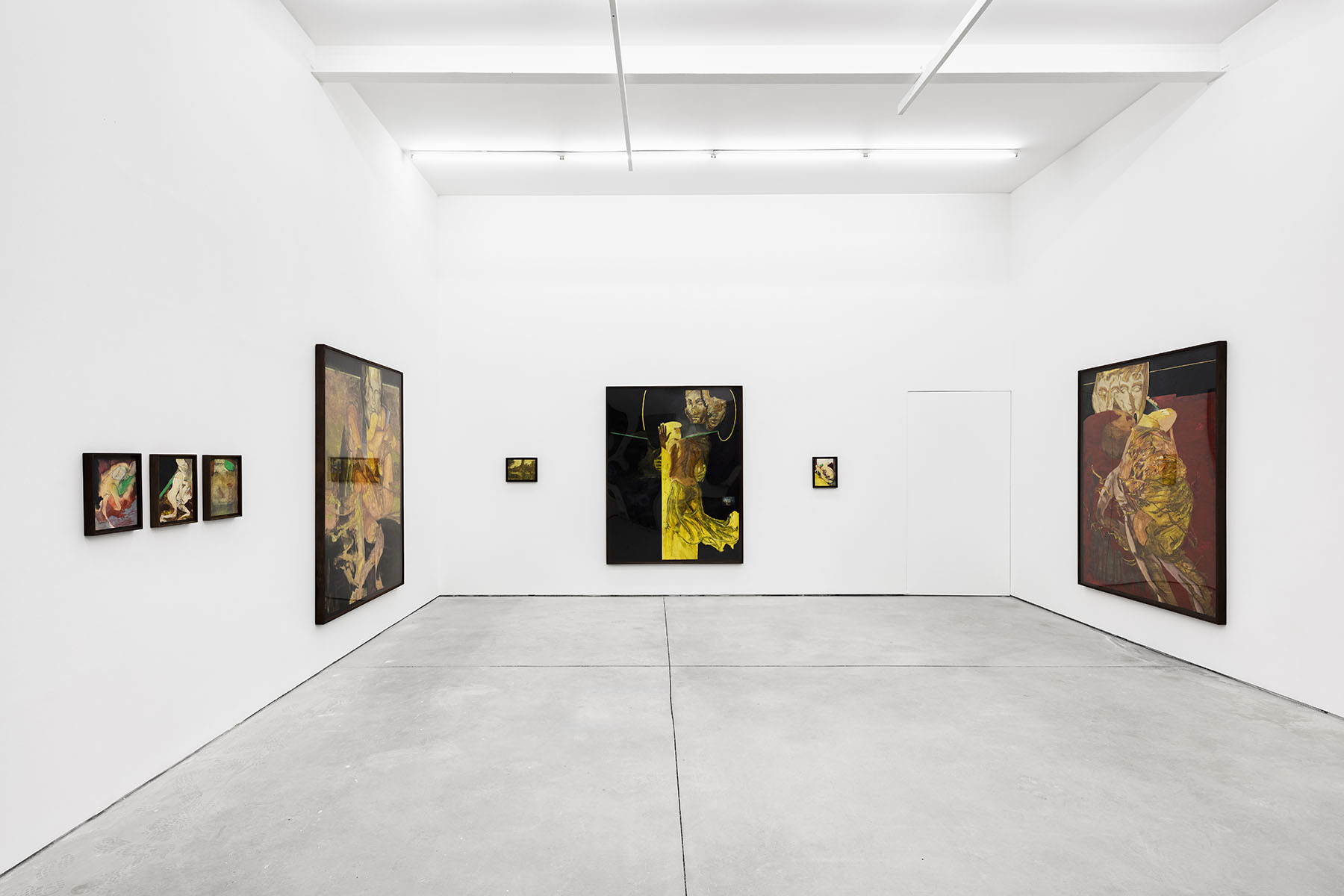
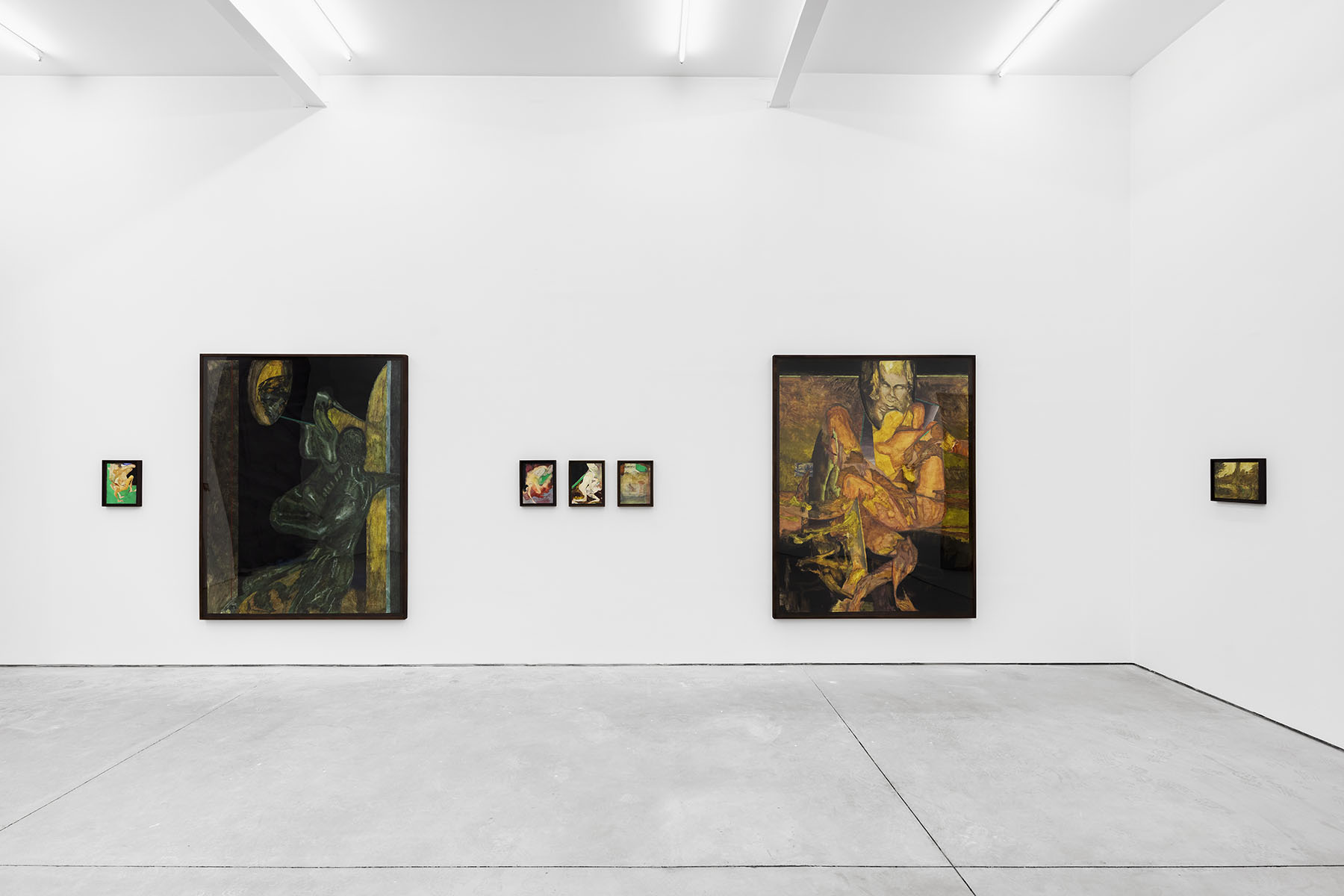
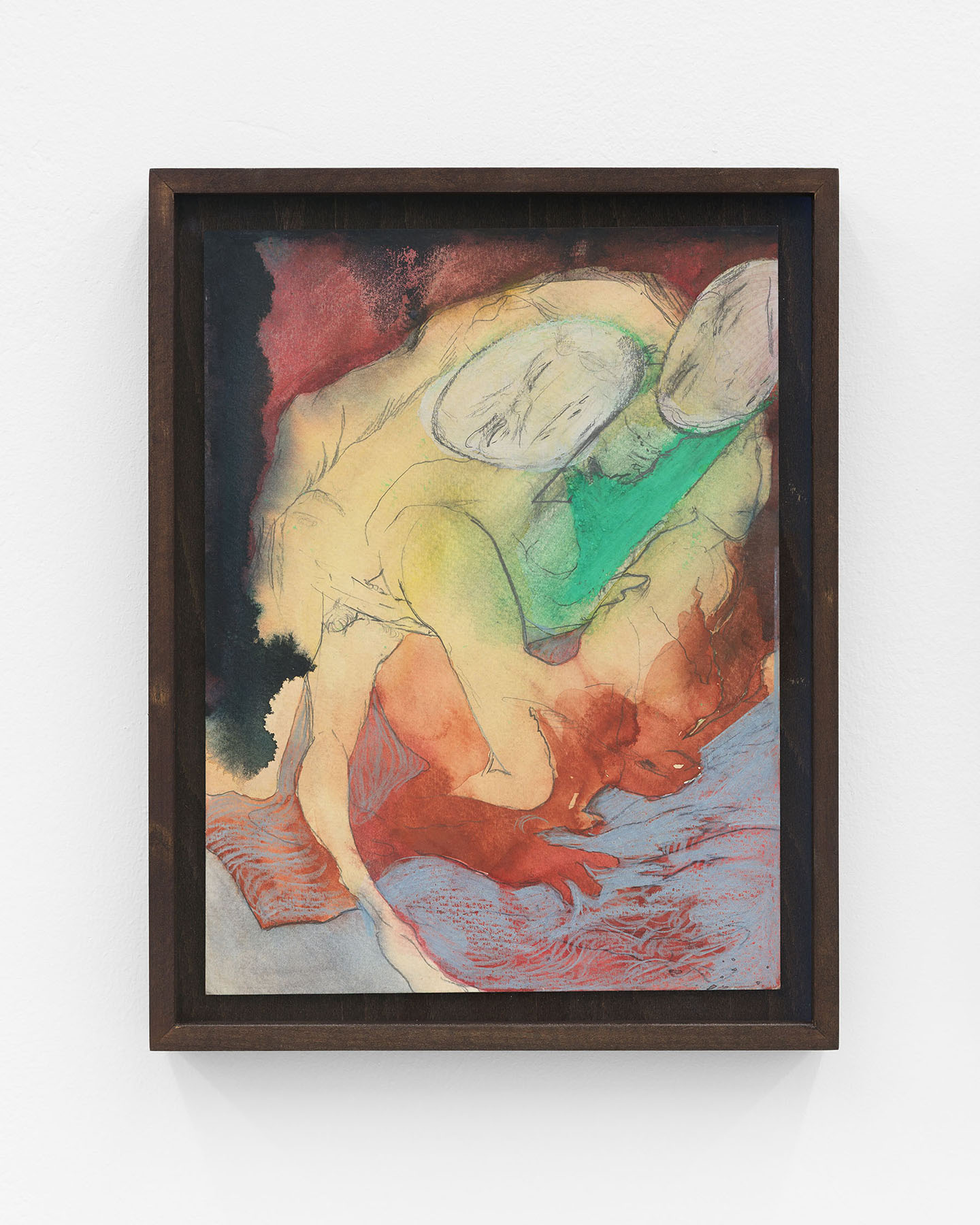
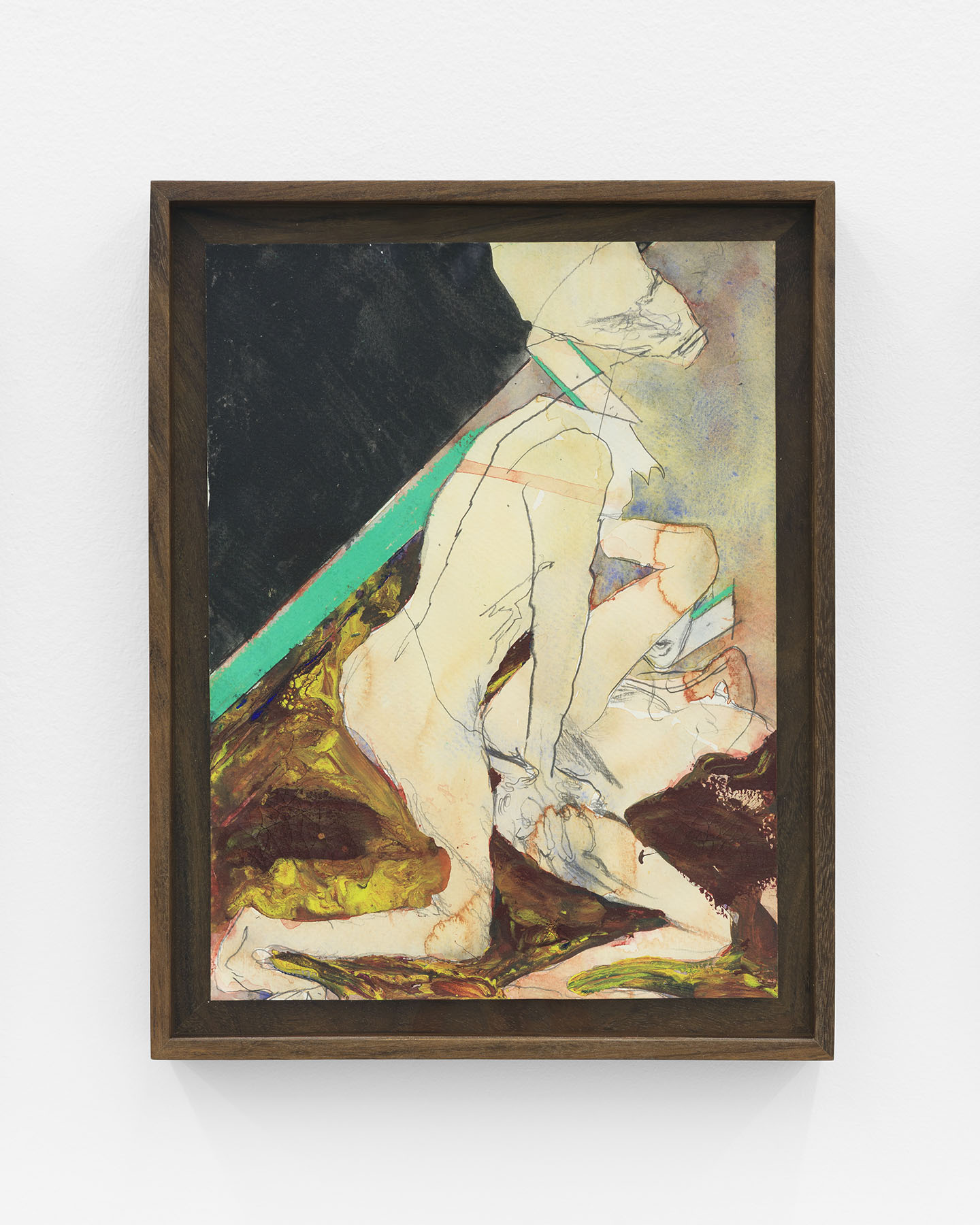
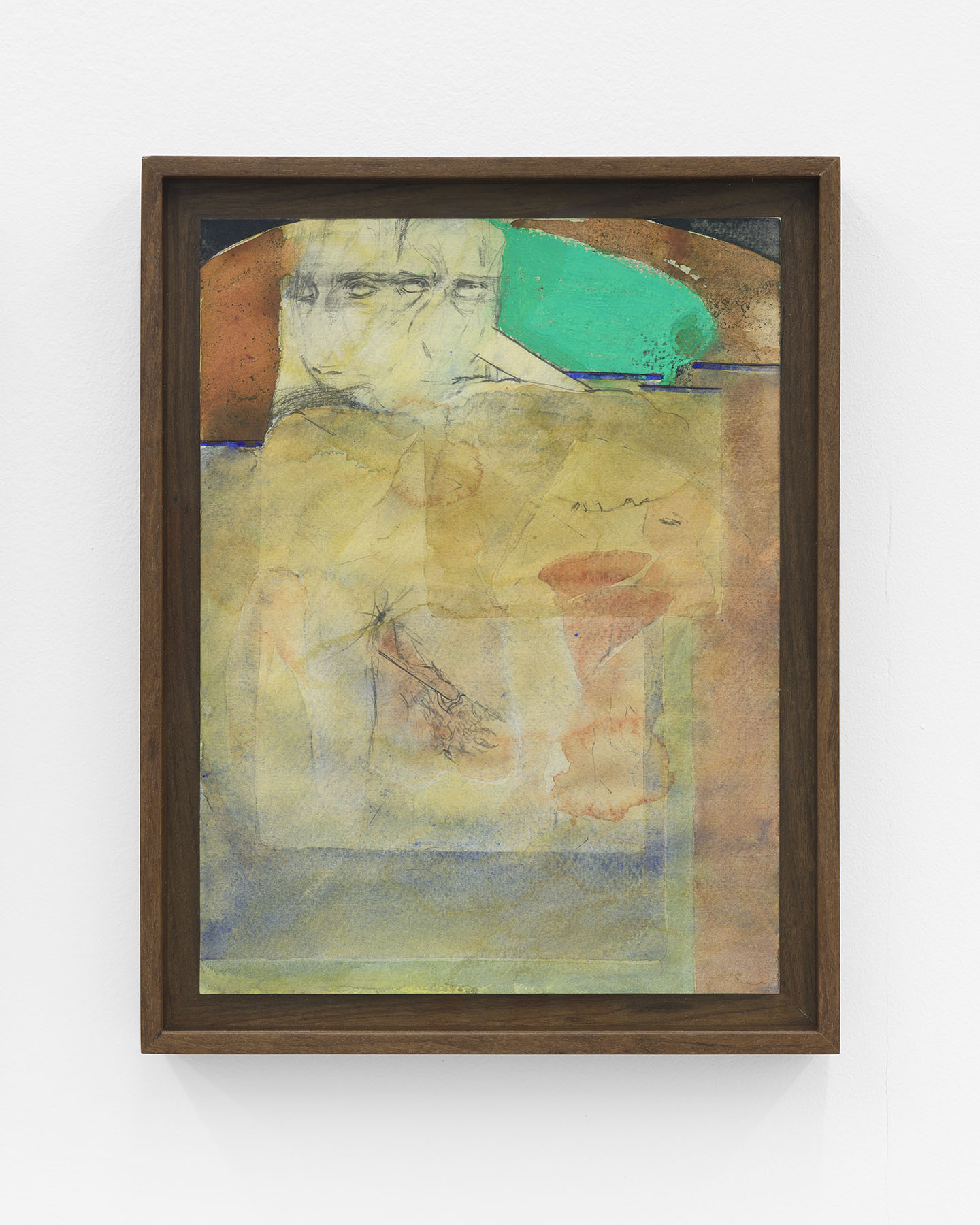
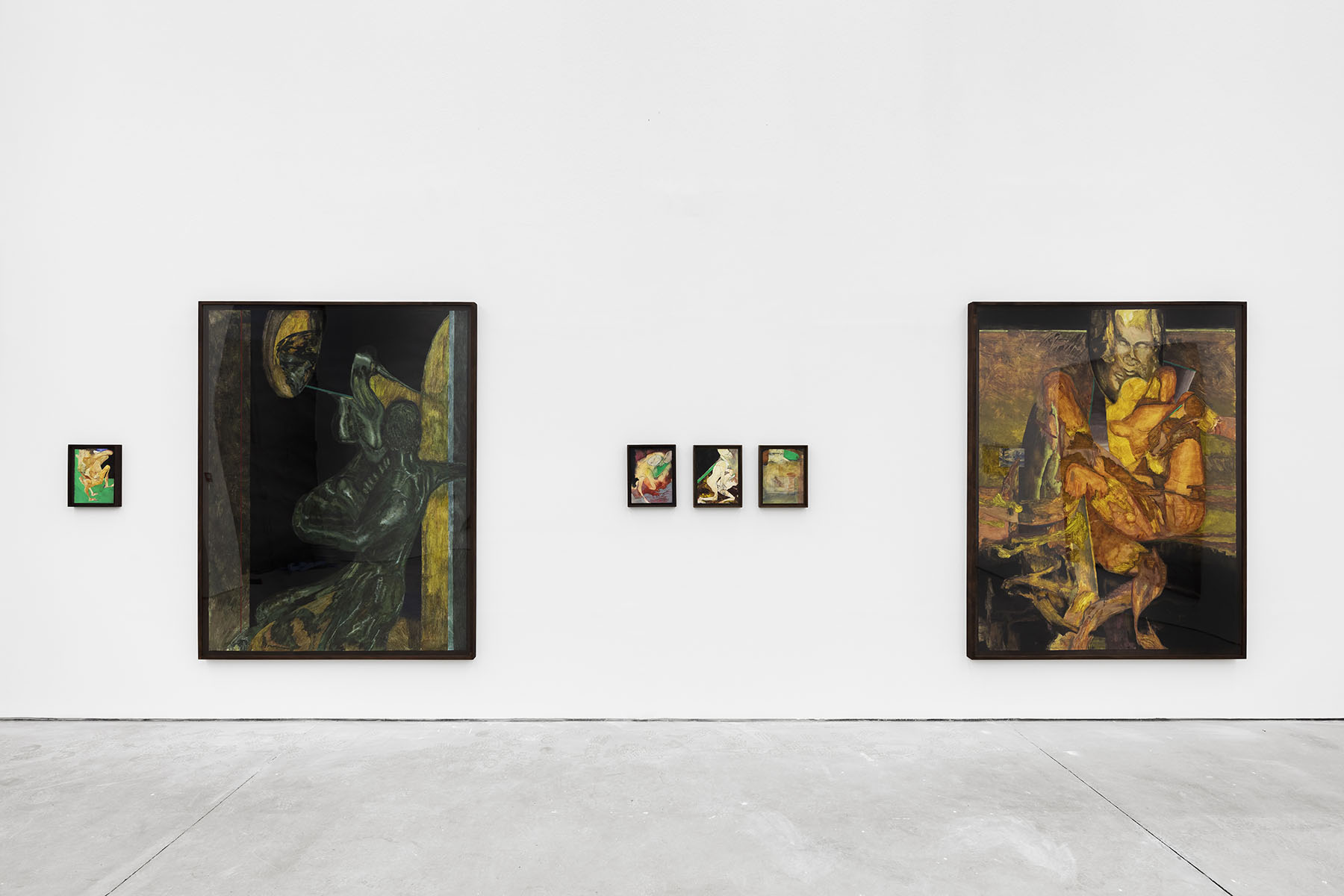
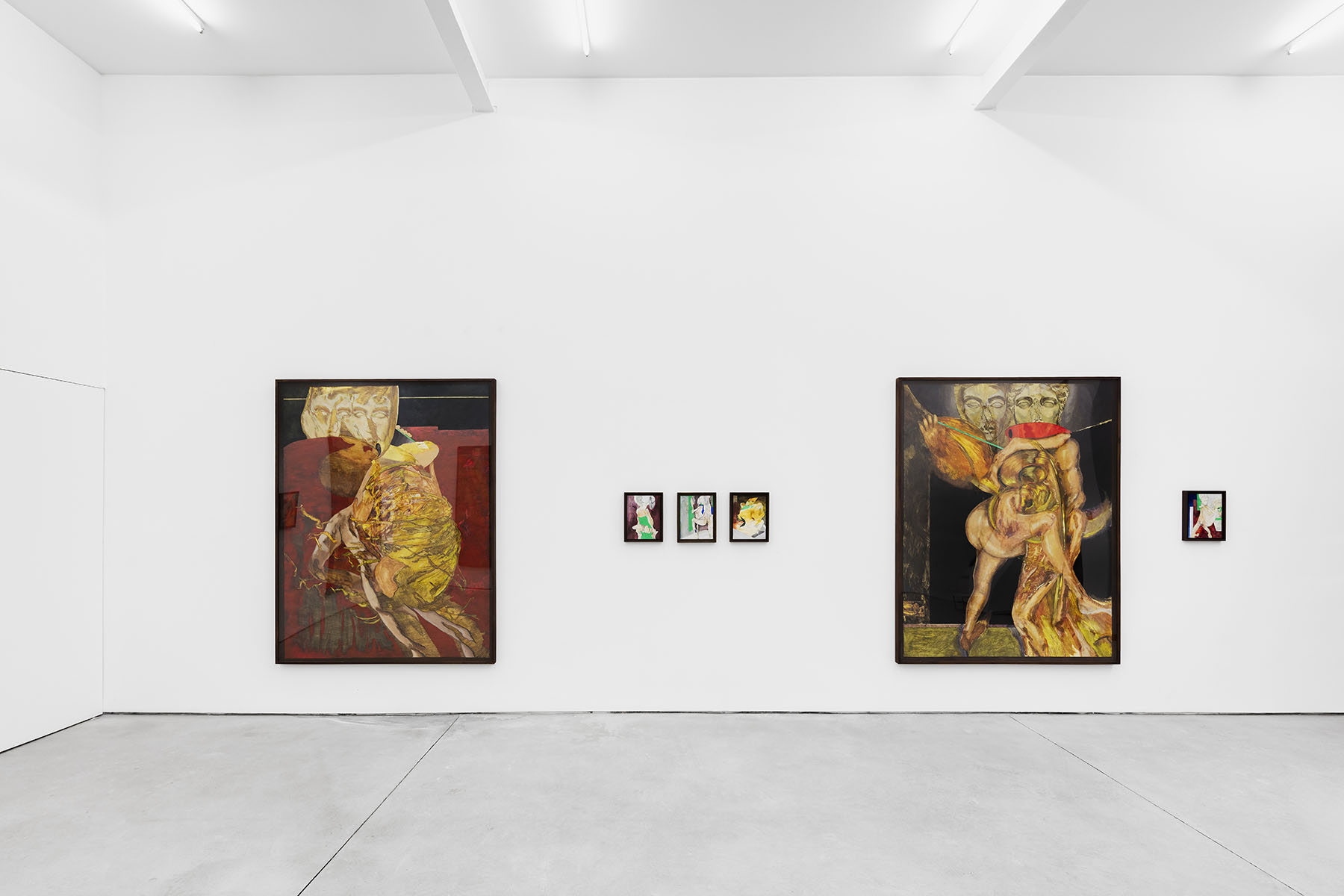
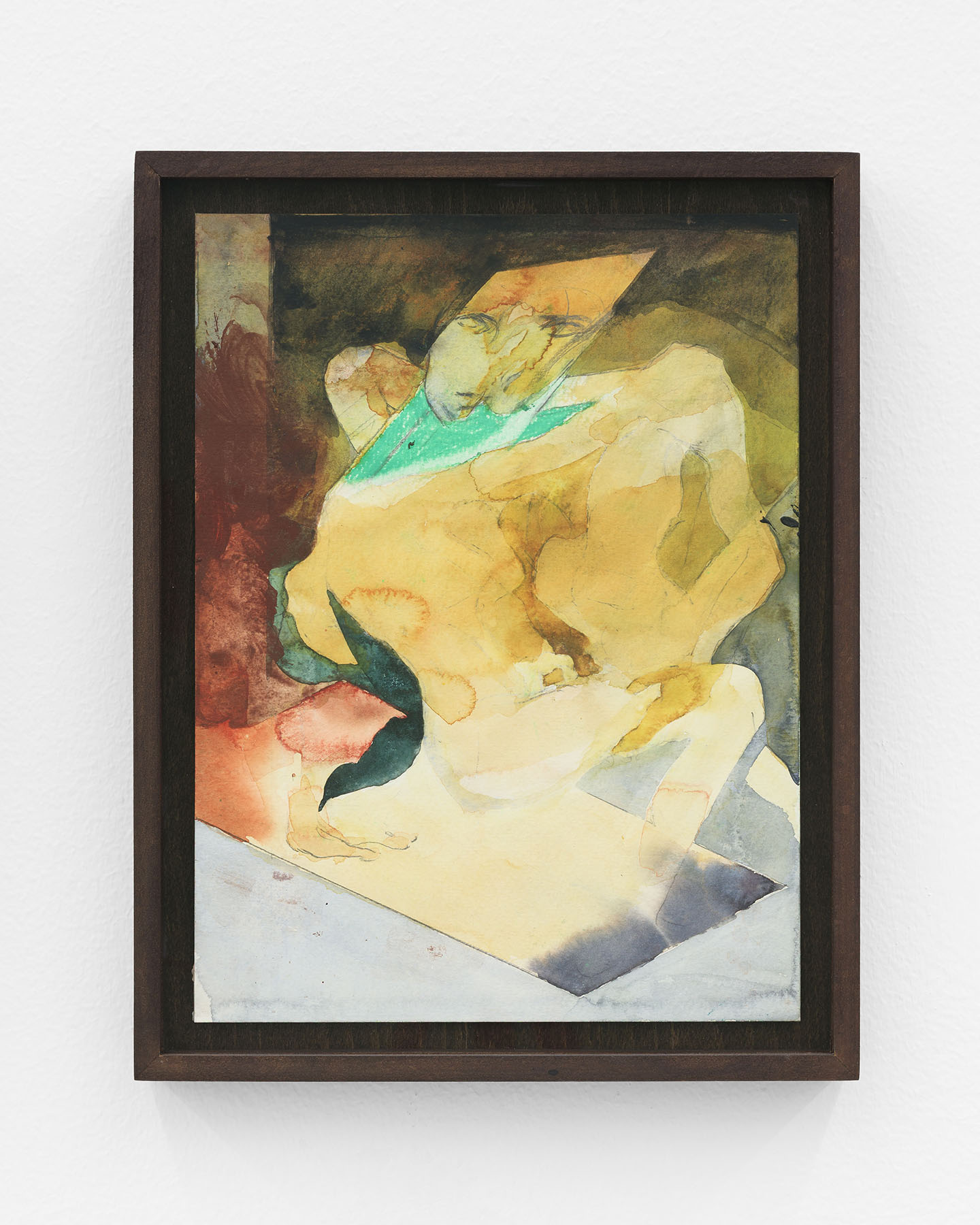
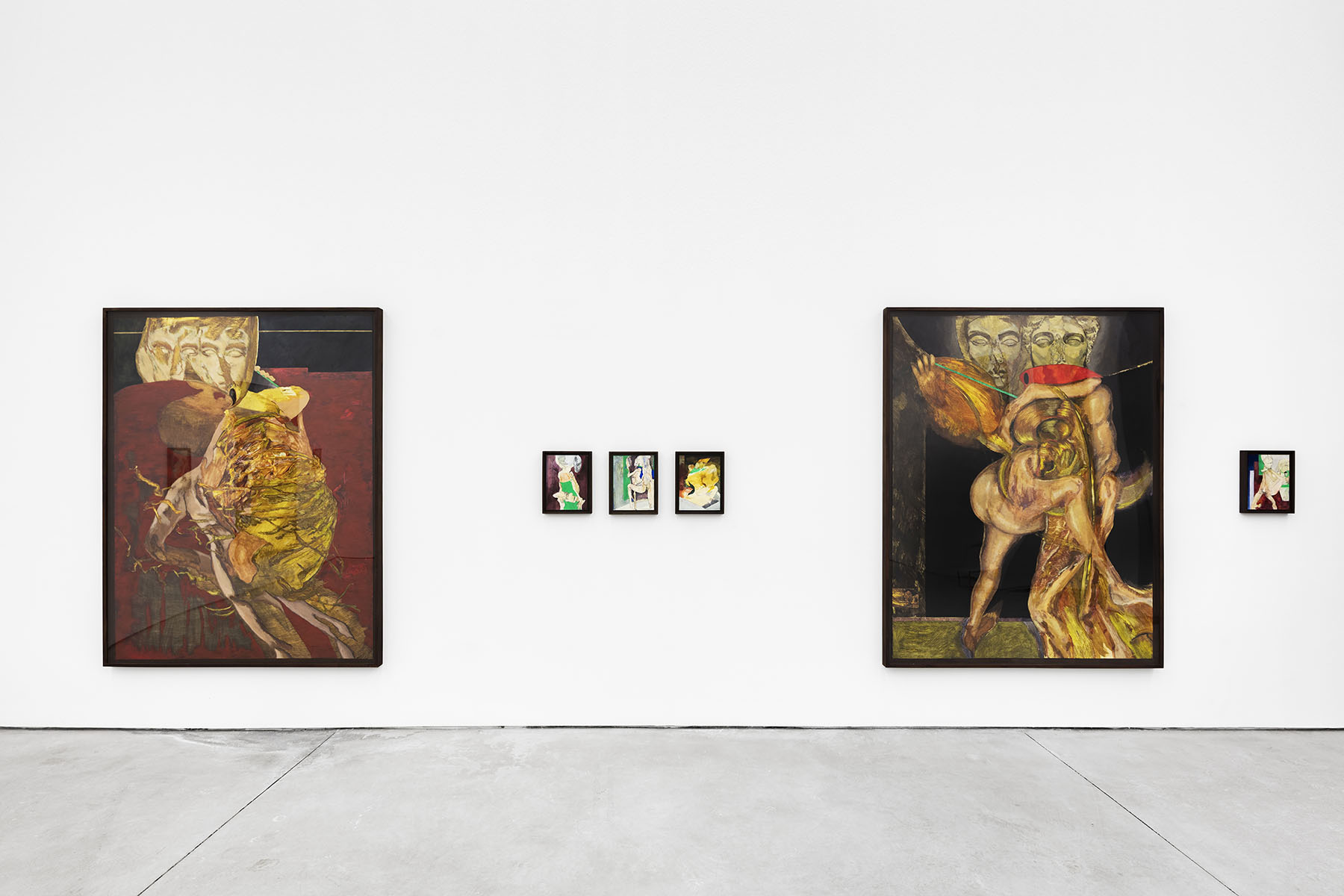
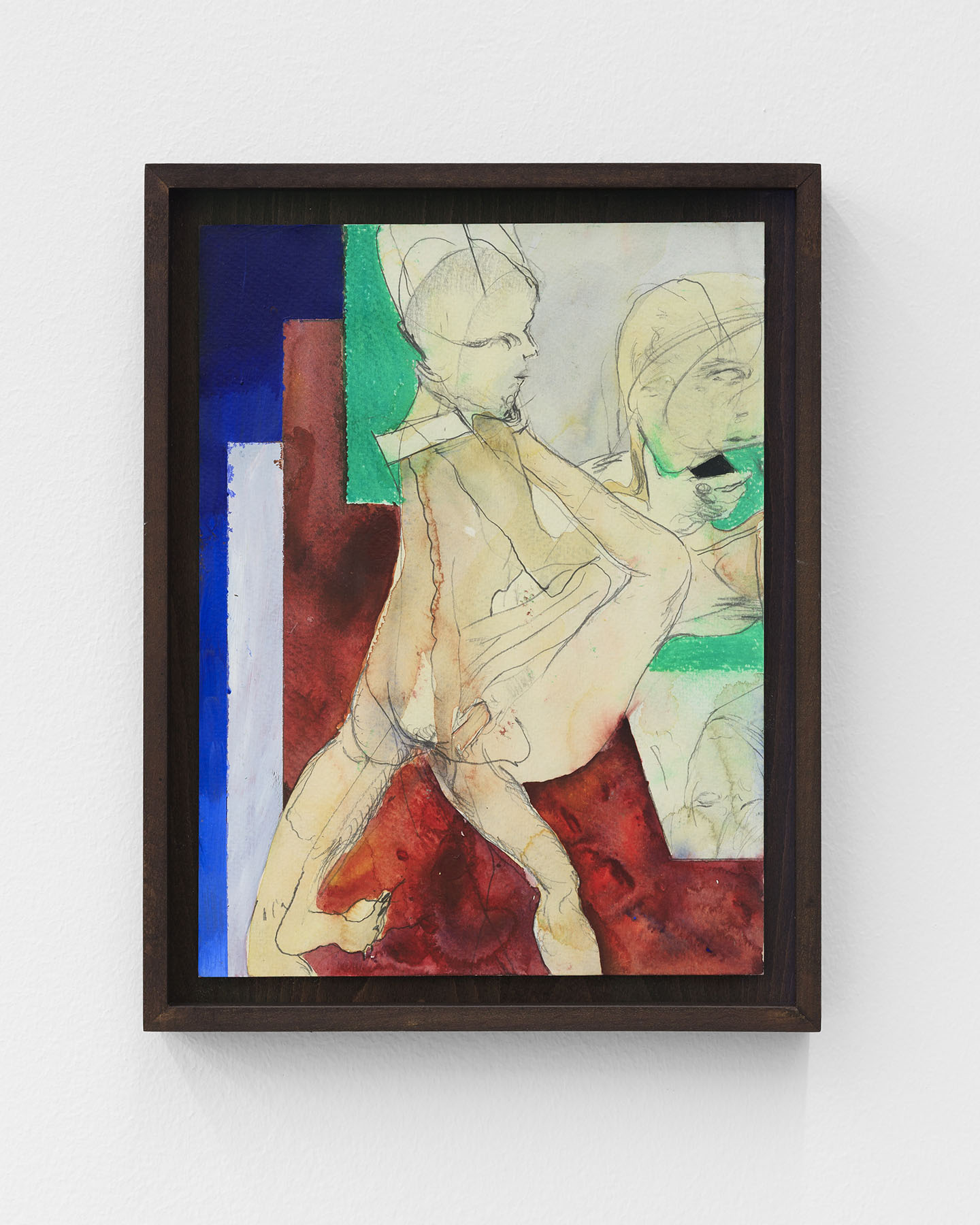
Time, All the TimeNatacha Martins’ work is very clearly defined within this new consciousness which today finds its expression, more than anywhere else, through contemporary art. And this is because, today, of all human practices, it is art that best enables us to understand a new consciousness of time. A consciousness that merges, to a large extent, with the most radical developments in science, notably what we refer to as quantum physics, the most evident expression of which permeates the most serious and important art currently practised, in far deeper ways than the issues linked to Artificial Intelligence which, nevertheless, command the public’s attention.Natacha Martins, whilst practising the forms of painting – or perhaps precisely because of this – re-inscribes within it ideas of time, matter and space, which interact and intertwine with concepts very different from those that, until recently, seemed to guide our perception of art and which can only be properly understood in this new light.Let us begin with the notion of time. In the artist’s major paintings, time converges no longer from a single point, but from diverse times. We never witness the constant and stabilised presence of a single representation of the idea of time, nor any form of coherence between the various representations of time that can be perceived within them; on the contrary, we witness a sort of explosion, in which various times and even various ‘forms of time’, as George Kubler called them, converge and coincide to generate another temporality, which is in itself enigmatic and unrecognisable in its process. What temporality, then, dominates each work?Looking closely at these unique works, we very quickly realise that within this space which we have long referred to as the space of the painting, now appear, through her hand, as if in a collage inspired, amongst other sources, by the processes of Cubism, what appear to be examples of fractal forms of time, generating an effect of simultaneous and converging (or diverging) temporalities. A head may thus appear in this painting as if evoking an Egyptian head, whilst another, which also exists equally within that same space, conveys memories drawn from a Mannerist or Baroque representation; and the bodies to which these are linked sometimes express, in their presentation, dimensions that immediately evoke (for example) violent Expressionist figurations. The central question we must therefore ask ourselves here is that this regime of multiple temporalities to which I have been referring—in which perception seems to open up to a fractalisation of time and the consequent presence, on the same plane, of multiple times—introduces, into the very perception of the painting, another perceptual mechanism (which, incidentally, has also been explored, albeit in a different way, by artists such as Cecily Brown) that forces the viewer — the ideal viewer that all painting has always required — to grapple with what might be described as a space affected by countless temporal regimes.In other words: whilst, on the one hand, various historical periods now converge there – albeit, as we have seen, very distant from one another, yet nevertheless recognisable — as if embodying that famous notion, once proposed by André Malraux, of placing art within a new perceptual model known as the ‘imaginary museum’ —, the fact remains that, by coexisting in this way, they define not only the inner space of a new regime of images, but also that of a new regime of time. Thanks to this process, which consists of summoning, simultaneously and on the same plane, various historical periods that were previously distinguished from one another and appeared to be separate, whilst at the same time placing them outside the former historical relationship in which they used to appear, a different understanding of the notion of time, as this process brings into being what we might perhaps define as constituting an expanded field of Art History itself, which is thus transformed into a sort of limitless repository of images, having lost its previous sequential component and gained, in its place, a relational value that distances or brings together different periods, linking them in a different way.It is, therefore, a matter of understanding the fractal dimension of time itself and, above all, of representing it: not, as in the collage techniques of, for example, Max Ernst, in which images from various eras were brought together (in “Une Semaine de Bonté”, for instance) to produce a surrealist effect — something which still partly characterises the work of artists such as Neo Rauch — but, on the contrary, to summon slices of time (or time crystals) that relate to one another to generate a new imaginary space. In a sense, we might say that such time crystals reflect, at times, memory and history, and at other times, the presence of present or future times, intersecting and linking them together.We must, however, understand that, precisely because they exist as figures within what I have referred to as the space of the painting, they are, as it were, forced to coexist within the same space and, in a sense, to contract. It is therefore not surprising that representations drawn from an archaic era might find their place here as if akin to digital screen displays, since both converge in this perceptual re-dimensioning of time itself: dream, memory, experience, evocation, and other ways of representing time can thus coexist simultaneously, just as happens, for example, in the literary realm, whether in the novels of Joyce and Lawrence Durrell, or equally in the poetry of Rilke or, more recently, that of Louise Gluck, to give examples from outside the visual arts; or, again, and in a similar, albeit somewhat distant, way, in the fractal cinema of Pier Paolo Pasolini. This perceptual model, however, infinitely expands time and generates a kind of planimetric representation of that very time, in a way almost spatialising it.We could thus see what would result from an unexpected, yet plausible, encounter between seemingly so diverse conceptions of the image – such as those that appear to separate, over the long course of history, certain expressions of Egyptian or archaic Greek art from Giotto, or Giotto from Caravaggio or Egon Schiele, even if such representations stem from historical contexts that are evidently very distant from one another. But what becomes most interesting in this process of the spatialisation of time to which I have alluded is that it inevitably affects the very conception of the space within the painting.
Space: How to generate multiple spacesSpace, in Natacha Martins’ paintings — let us call them that because, in truth, they reclaim the spatiality inherent in the pictorial form — becomes, for this very reason, an expanded space in its own right, as it is subject to the pressure of a curvature of time (for time becomes curved when it contemplates and compels the convergent entry of many diverse times) and thus opens itself, too, to another perceptual model. Whether concave or convex, these spaces now seem to counteract the flat dimension normally attributed to the typical space of the painting (and which has underpinned the concept of the painting in the West since the Quattrocento), replacing it with a spatial perception that approximates the possibilities offered by the new optical instruments at our disposal, particularly thanks to digital technology. In other words, it is not a matter of inventing random forms but, rather, of producing new ways of perceiving space itself. It is, therefore, a matter of depicting spaces that multiply the planes they absorb, without, however, linking them through their usual relationship, such as that which arises from the use of perspective.In this case, and given that they depart from this relationship—which, thanks to perspectival unification, has become conventional in figurative painting—these spaces now seem to suggest what might be a kind of shift towards something akin to a presence of the fourth dimension, where the curvature of time affects the shaping of space itself. In this sense, space too, in Natacha Martins’s striking paintings, takes on a wholly unexpected dimension, seeking to suggest other possibilities of its own existence which, thanks to the modelling of time through which it is depicted, seems in turn to be shifting towards new dimensions. Now, what is important to clarify here is that both the modes of figuration of time (or the forms of time) and those relating to space (which we might also refer to as forms of space) still exist within what might be termed a regime of figuration. In other words, in these works, we continue to be confronted with figures, bodies, and the gestures characteristic of those bodies. But, in fact, by introducing into them other—and, in truth, unfamiliar—ways of representing time and space, Natacha Martins simultaneously introduces a profound sense of abstraction regarding both, which paradoxically clashes with the regime of figuration that governed their construction. And it is this ambivalence – or rather, the tension arising from the coexistence of different modes of representing space and time, in which there is, as it were, a displacement of their respective coordinates – that produces the shift towards what I referred to earlier as a ‘discordance’, which is both temporal and spatial, and introduces a radically new conception of perception. It was Mérleau-Ponty who first referred, in relation to Cézanne, to the possibility of ‘making movement visible through its internal discord’ (L’oeil et l’esprit). And here, what we are witnessing is, as it were, the constant dramatisation of spaces and times which, by producing something that is of the order of an essential internal discord, do in fact allow us to see movement.
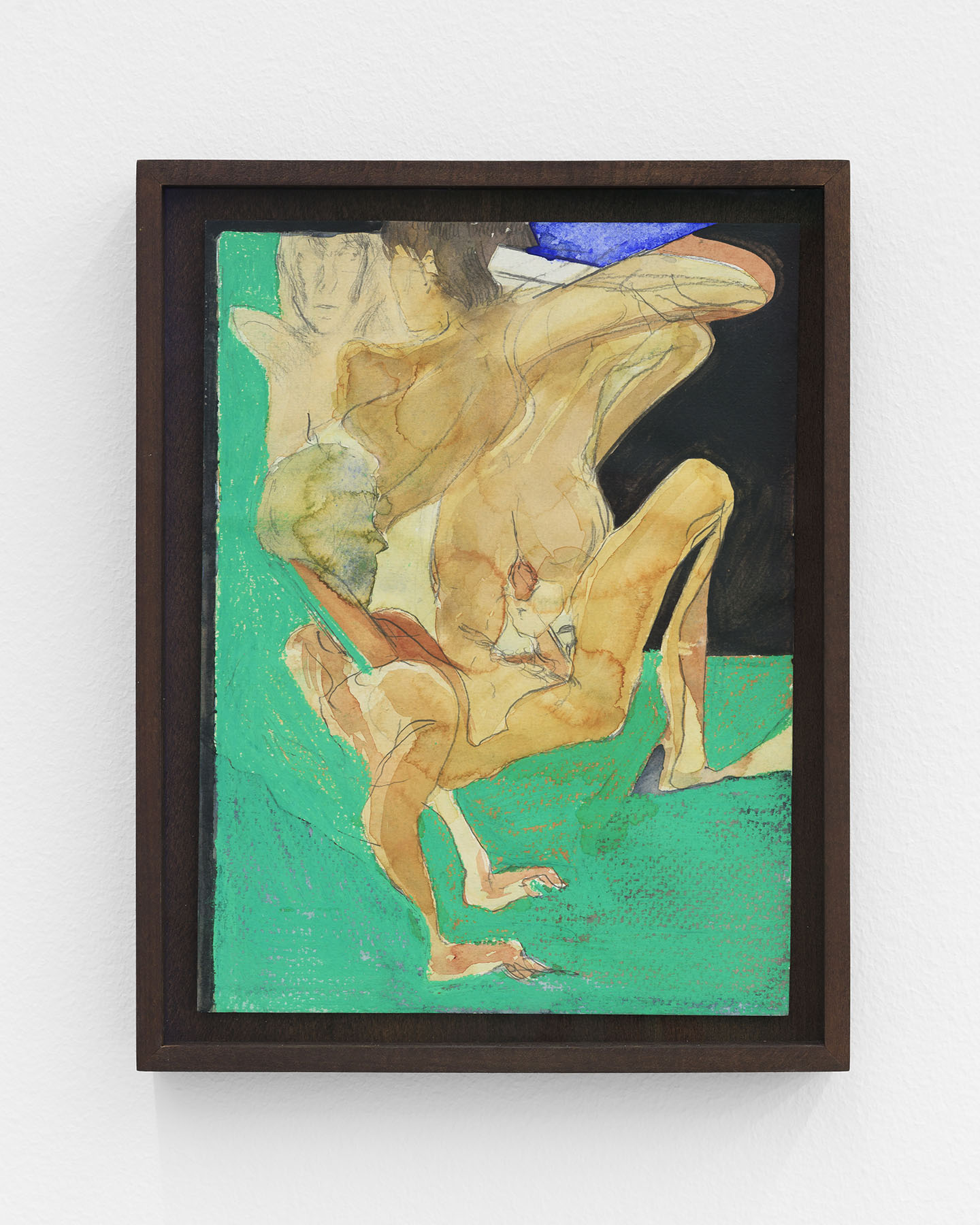
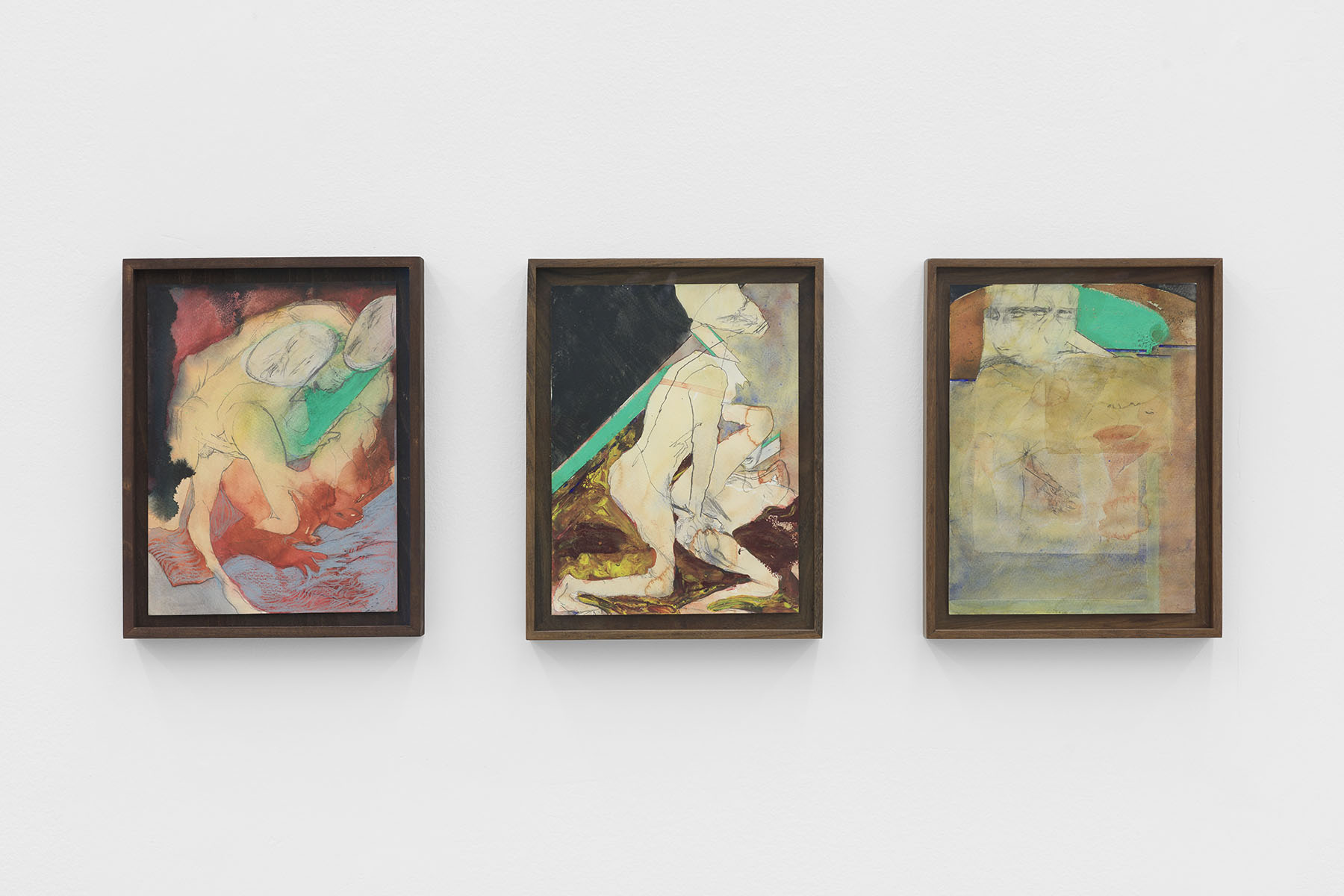
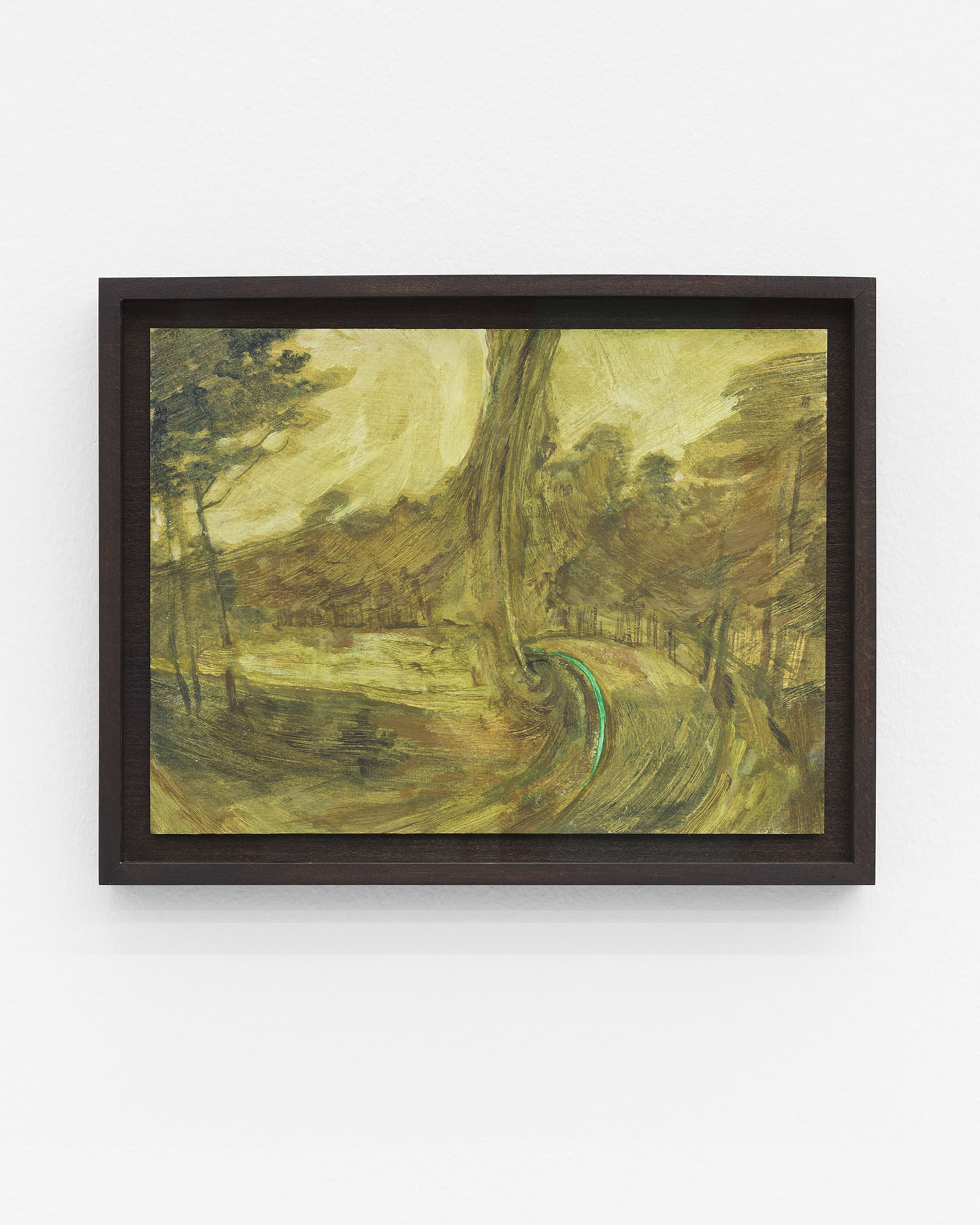
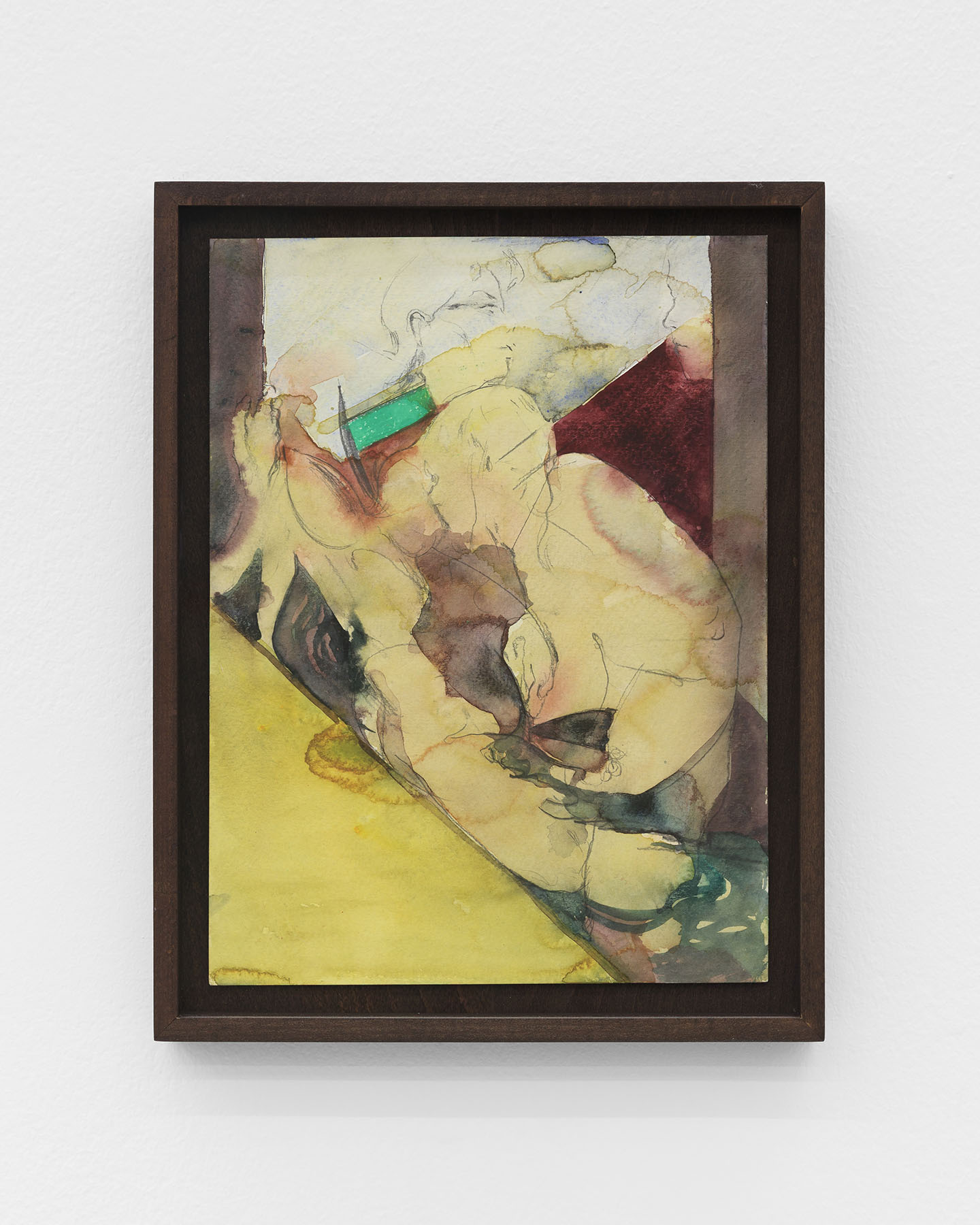
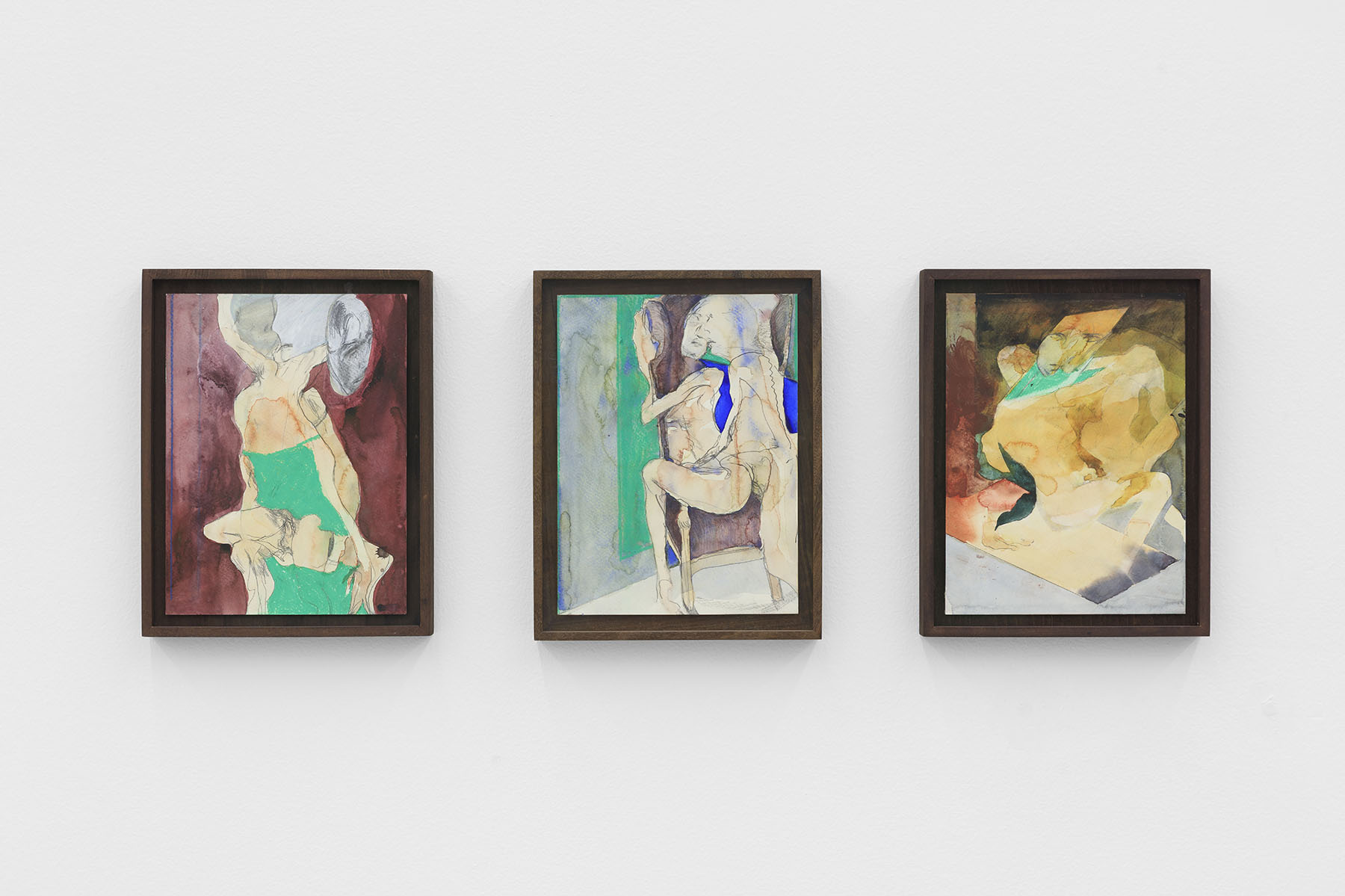
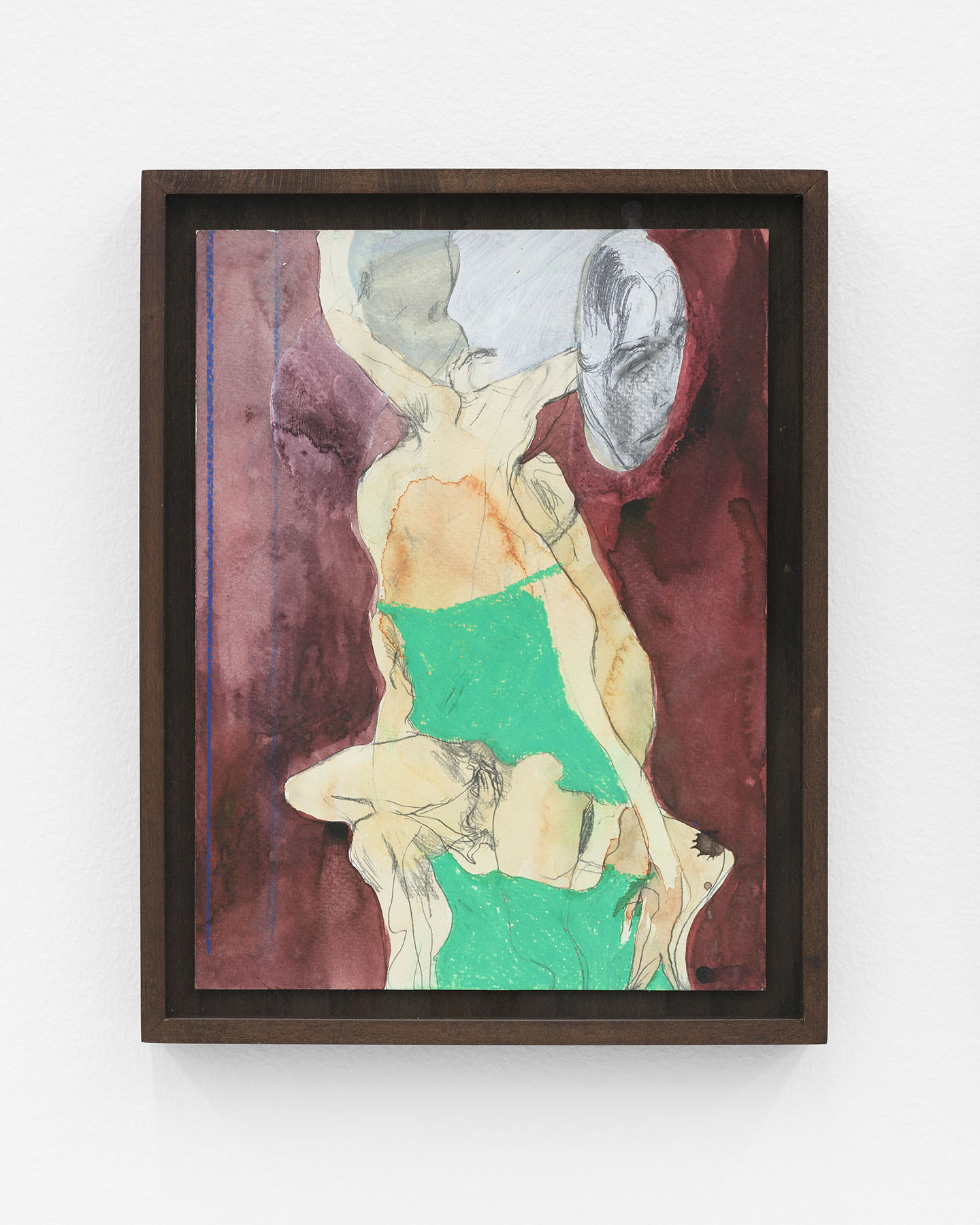
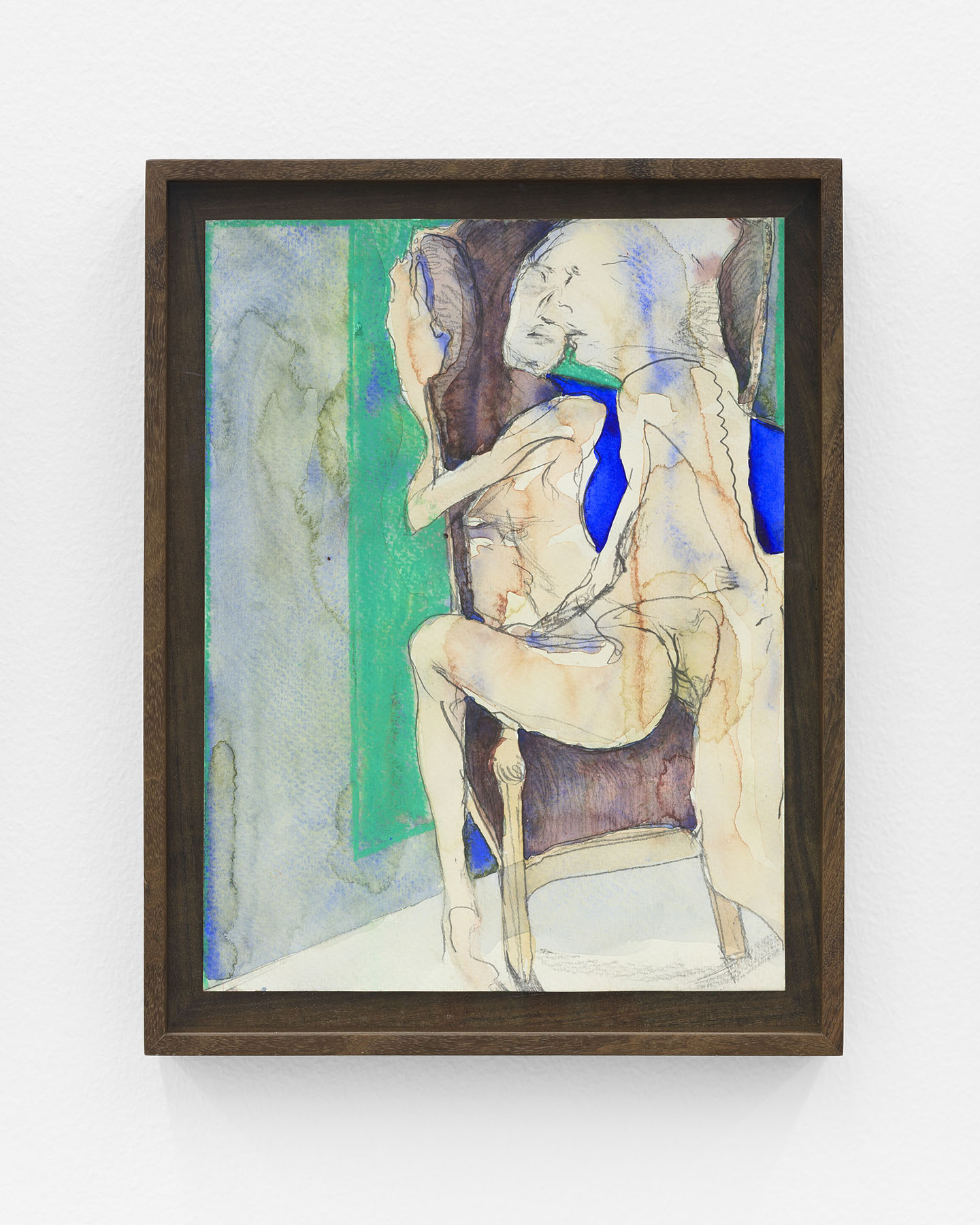
Bodies: Dramas and SpectralitiesBut what movement are we referring to, then? In fact, in most of these recent works (though, in a subtly analogous way, we also see this in this artist’s landscape series), the aim is to reveal—by depicting them as we have seen in various contexts—bodies, or rather, various regimes of the body. Female and male bodies, statuesque bodies, various representations of bodies, gestures, positions and their respective times and spaces which, nevertheless, come together here thanks to the way in which a unique dramaturgy operates within them. Connecting with one another, at times through hints of erotic and amorous intimacy, at other times through other forms of physical contact that almost resemble dances, within a ritual dimension evident in movements of approach or withdrawal — and all the more so because, whilst sharing the same space, we have already seen how they can be conceived as existing in different times, which in their own way introduce a fractal discontinuity — these bodies seem to suggest the possibility of communicating with one another through other forms of time and space that may seem strange to us at first glance. Since, as I mentioned, they may arrive from different times and, consequently, be situated in different spaces, the nature of their relationship suggests, in some way, the possibility of inter-spatial and inter-temporal communication. It is not, in fact, evident that they all inhabit the same space and the same time simultaneously, as might be said, for example, of the members of a given family who temporarily live in the same house. The fundamental discontinuity we sense between the bodies—all of which are nevertheless brought together within the same pictorial space in an unexpected dramatic arrangement—suggests that they communicate with one another without, however, truly being together in the same space and at the same time, or even actually touching one another’s bodies. We would thus be faced — not always, nor always in the same way, because distinct formations appear in other works — with virtual relationships, occurring between beings who inhabit different spaces and different times, but who nevertheless relate to one another.The great originality of these works by Natacha Martins, in extending representation into the virtual realm, lies in their ability to link the most archaic aspects of human behaviour — our gestures, our emotions and desires, our physical manifestation — to a dimension that might be described as metaphysical, and which takes place today through digital communication. Bodies that exist in different spaces and times, yet are able to communicate with one another, in accordance with that quantum law which explains how particles are linked to one another despite the spatiotemporal distance separating them. This model of relationship, which eludes the logic of our perceptions, nonetheless alludes to what might be described as a possible metaphysics of sensations, to borrow Deleuze’s famous expression regarding Francis Bacon—an artist who is, of course, present as a reference in Natacha Martins’s universe, since, in fact, sensations and, more generally, everything pertaining to the sensory relationships that bind us to one another as living beings, rather than depending on what language permits and is capable of expressing, do in fact point to this idea—also formulated by Mérleau-Ponty —according to which there exists a sensory relationship that manifests itself directly in Being, even though its dimension is imperceptible to the visible.The philosopher wrote: “This all-encompassing vision, beyond ‘visual data’, opens up a texture of Being whose discrete sensory messages are nothing more than punctuation marks or caesuras, which the eye inhabits just as a man inhabits his home.” (L’oeil et l’esprit). In other words, what Ponty refers to points to the possibility of a sensory life manifesting itself that is not immediately of the order of the visible, but which nevertheless touches bodies and connects them at a deeper level, even if invisible. It would therefore fall to art (and in this case to painting) to be capable, according to Klee’s concise formulation, of making visible the imperceptible yet present links that exist and connect, perhaps at a much deeper level, what occurs—albeit hidden— between various dimensions of space and time.From this perspective, bodies would be repositories of memories, experiences, perceptions and intuitions that they could reverberate and reflect, as if they were screens in their own right, connecting with one another through forces and intensities that belong to the realm of the invisible but which can, nevertheless, be communicated beyond language: one might indeed say that the body could re-emerge as a space, always to be filled, for the advent of a non-language which, nevertheless, would not fail to manifest itself as the potential for another language—a language still and always unformulated—in which the sensible would find its home. As Ponty also pointed out, ‘Vision is not a certain mode of thought or of presence to oneself: it is the means given to me to be absent from myself, to witness from within the fissure of Being, at the end of which I can only withdraw into myself.’ (ibid.)Communication between bodies, contrary to what the ideology of consumerism and the instant visibility of everything would have us believe, does not in any way amount to an exhaustion of the senses, or to their expression experienced on a strictly physical plane, but rather to a metaphysical dimension, within which true erotic construction is engendered. This eros, conceived since ancient Greece as a vibrant life force, would thus be the invisible energy that courses through bodies and connects them beyond shared space and time, opening up their experience beyond their common, or immediate, presence within the same space and time. What Natacha Martins’s painting seems to bear witness to, then, is a vision which, through painting, can be made visible, of that profound communication in which Being manifests itself, as continuity, in space and time, whilst transcending them in terms of their immediacy, as a trans-material (transcendental?) relationship that may contain the invisible reality we attribute to the presences of what is termed ‘spectral’. The dramaturgy of bodies in Natacha Martins’s painting thus alludes to this possibility of bringing into the realm of the visible the energetic invisibility of desires, affections and sensations: that is, of that whole world of invisibility which we know full well opens up within the Self and which the body merely senses.True eroticism, as a super-sensible dimension which nevertheless animates bodies with unique energies—the experience of which only becomes perceptible through this opening that reverberates within the Self—emerges, in this perspective, no longer as the meagre expression of a consumption linked to lust or drives, or, much less, as a distracting activity of the body, akin in truth to mere temptation — which seems to be its common meaning in the immediate world of the consumption of the images that surround us, from advertising to fashion or even to new forms of relationship — but rather as an extreme, and indeed radical, form of a sumptuous experience linked to Being itself, by opening it up to a sensory experience of the body in its relationship with space and time (with all spaces and all times), or, to put it another way, with the sensory plane of the appearing of images: this, for Natacha Martins, would be the very foundation of art.
Image: Where do Images come from?Here, we are not far removed from that enigmatic Klossowski-ian formulation of the simulacrum. Indeed, for Pierre Klossowski—an author whom we now understand in an entirely different light as a key figure in contemporary thought—the function of images is, above all, to open us up to the imaginary dimension, notably that of Eros, or, to put it another way, contact with that which belongs to the realm of what we call inspiration, in the sense in which the ancient Greeks and Romans understood the term – as the means by which the gods directly touched the lives of men, who thus felt possessed. The erotic experience, for Klossowski, is therefore not determined solely by the exchange and encounter of bodies within sexual activity, nor even by the most ardent expression of physical and biological needs, but rather by a sensory experience that affects the spirit itself, and through which is generated not only an approach to the sacred (sacer) but also the imaginary foreground that dwell deep within us. For the Artist-philosopher, the role of art would thus be to reveal the mysterious mechanisms of desire and even those of the drive, understanding them now as vehicles for an asceticism that would enable us to understand and experience the place reserved for the gods in ancient civilisations. With Klossowski, eroticism becomes more than a way of seeing or a mere contemplation of bodies; it is a process intended to inscribe, in equal measure, the practices of creation, as well as everything that is already inherent in the gaze that links the viewer to the work of art: in this way, the act of looking at a painting is equally part of a movement of an erotic nature, all the more so as this always exists as a spectacle (spectaculum and speculum), that is to say, as a space of speculation par excellence. And that is what seeing is.Eroticism thus becomes a theatrical device, or a stage upon which multiple fictions, images and complex ritualisations can be devised, since it is always a secondary expression of desire itself, now formulated within the consciousness. There is, therefore, a philosophical dimension to this dramatisation that is essential to the erotic act. Klossowski stated: ‘The spectator actualises himself by contemplating the figure that presents itself to him as his victim (…) The contemplator must come face to face with that part of himself which he can only recognise if it lies outside himself.’ It follows, then, from Klossowski’s theory of the image, that painting should be understood as a space of sensory experience, in which the viewer reconstitutes themselves as a subject by reintegrating, on the plane of consciousness—through the rediscovery of their own hidden imagination—the sensory forces that dwell deeply within them. Images—and, more specifically, images in art—should thus serve to refocus the viewer’s consciousness, liberating them towards a new awareness of their own subjective activity and, with it, to recognise their imaginary and phantasmal mechanisms, within which the whims of desire move, thereby rescuing them from the alienation to which work and the (more or less oppressive) forms of social and labour organisation tend to condemn them. Art is thus the liberating form par excellence, as it opens up the imaginary realm to the realm of inspiration, play and theatre. This is why the figures in Klossowski’s paintings (but equally in his texts) seem to dramatise imaginary relationships that span time and space: Roberte’s reunion with Gulliver, or the apparitions of ghosts and beings drawn directly from Antiquity, such as the deer, a hybrid of human and animal, which pursues Diana, are all ways of constructing an art which, in the image of Pompeian art — as can be so clearly seen in the famous Villa dei Misteri in Pompeii — re-establishes the ancient bond through which art connects humans to their archaic roots, making visible that world which is, at once, the realm of death and that of play. A scene composed of philosophical theatres that only art can reveal as an expressive form of inspiration. One might say, then, that in art as understood by Natacha Martins, this dimension of play, of theatre, and of the rediscovery of the archaic also comes to the fore, and that her depictions of bodies and, more generally, of erotic encounters, by transcending time and space, already point towards an opening, through art, to a different awareness of humanity’s place in the world into which it appeared without ever knowing how or why.In Klossowski’s theatre of the senses, the image fulfils this dual ontological and pedagogical function of instructing its spectators on how they should deal with the imaginary phantasm that inhabits them, and thereby assigning them specific roles. For whilst all contemplation is projective, it remains so even when the spectator is confronted with a simulacrum rather than the real. On the contrary, the simulacral dimension helps the gaze to establish itself as a critical apparatus, capable of choosing its place within this theatre of the senses.
Expression, or the theatre of the sensesThis theatre of the senses, however, requires its own form of expression and even a framework capable of addressing the many issues we have sought to highlight above. In short, we might say that it can only take shape when it finds its proper expression, since it operates in a realm that grapples with the possibility of disaster. Like that of Francis Bacon, Natacha Martins’s painting engages with the notion of accident, which the English painter – surely one of the greatest of the twentieth century – so clearly defined and embraced as an intrinsic necessity of painting. Accident, in the artist’s conception, is precisely the dialectical presence, within the painting, of the latent threat of its disintegration. All of Bacon’s paintings are, recognisably, inhabited by this presence of elements that seem to open up the representational unity – and even the harmony of the whole – to the possibility of disintegration. The accident, in truth, signifies something akin to what, in our own lives, we conceive of as the possibility of failure or, in the extreme, as the mortal condition with which we are born and which accompanies us to the very end: we all know how fragile life is and how, suddenly, it can be cut short. It is, after all, this very condition that enables us to live and organise our lives in some meaningful way, by better understanding everything that goes wrong in them and seeing this as a sign of our humanity. In painting, we might say, it manifests itself as the presence of imperfection. An essential imperfection, which stems from the fact that every artist knows they can never return to that notion of unity present in classical art, which was entirely conceived around the harmony of composition. As Bacon taught us, it is because the world is imperfect that we, too, are imperfect, and all human activities are imperfect. But it is also because we are aware of this inevitable flaw that we can act without seeking to escape its defining presence; on the contrary, we organise the forms of creation around it, knowing that perfection is an impossible goal. Thus, all modern and contemporary art inevitably arises from an awareness of this essential flaw.But it is also this awareness of an inevitable flaw that brings the notions of harmony and composition into the realm of expression. In other words, contemporary art, aware of the world’s—and indeed reality’s—fallibility, cannot engage with it and seek to portray it until it has accepted that it can only do so by claiming the primacy of expression for itself, allowing form itself to collapse, if necessary. In contemporary art, forms inevitably exist on the brink of disaster – just as the world itself, in the form in which we (still) know it, does – threatened by collapses of various kinds that generate the instability we all recognise. That is why forms give way to forces.We might thus say that Natacha Martins’s painting seeks to develop similar devices associated with the act of seeing and representing bodies – whether real or imaginary – within a dramatic framework in which we recognise this, strictly speaking, philosophical relationship between the real and the imaginary; between diverse and disparate temporalities and spaces; between the real and the virtual; and also between the ways in which bodies are represented. Just as she unhesitatingly embraces the presence of the accident, so as to position herself, preferably, on the side of expression.Now, as we know, there exists a lineage of the expressive, one which, at least since Cézanne and following Van Gogh, has marked so-called Modern Art and has even permeated the realms of the contemporary with its sense of instability, discordance and uncertainty. Better is the one who embraces failure than the one who seeks to mitigate or conceal it, for the condition of failure is, inevitably, our own.And this tradition of the expressive – far more so than that of Expressionism – had illustrious examples throughout the 20th century: Egon Schiele, Oskar Kokoshka and Chaim Soutine, not forgetting perhaps the greatest of them all, Giacometti, were among those who, long before Bacon, realised the need to draw on the expressive to make visible a conception of the world capable of identifying it on its own terms. It is within this tradition that Natacha Martins works. Her figures are imbued with a dramatic quality that draws some of its inspiration from Schiele’s physical contortions. It is a form of painting that understands, in its relationship with the world—or rather, with a world that itself is currently experiencing great instability—that it is the body which, in seeking to engage with it, must inevitably contort itself and inhabit other modes of presence. Natacha Martins’ bodies contort precisely so that they may engage with a world in which discord reigns. And if eroticism seems to be present in these large frescoes — which confront the possibility of engaging once more in a dialogue with ancient Roman painting — it is also because it is within this dimension of a violent affirmation of life that contemporary bodies seek to come to terms with the human and anthropological disorder that is inherent to our condition. But these distortions are also reflected in her landscapes, because the sense of dislocation is pervasive. Eroticism does not, therefore, arise from some concession to a glamorous notion of displaying bodies, but rather from the need to observe their movements and the way in which they express both an energy and an essential fragility that is unique to human beings. For the relationship with the world is erotic, and because it unfolds, in the face of all the threats that surround us, as a conscious and extreme affirmation of life, which asserts itself precisely against the dominant biopolitics—that oppressive force which threatens to reduce bodies to numbers or to forces of labour and obedience.The legacy of Soutine is also present, particularly in the landscapes, in our understanding of the apocalypse of nature, now threatened by countless catastrophes: and how might we reorganise our view of the world in the manner of seventeenth-century Dutch landscapes or eighteenth-century English paintings? Closer to our own perspectives is Turner, who sought to view nature in its wildest form.Likewise, the fundamental discordance in Oskar Kokoschka’s painting, or the unflinching exposure of the tragic vulnerability of the flesh and the world in Soutine’s work, are, for that very reason, fundamental references for Natacha Martins’s painting; in seeking to engage with them, as indeed with the jagged painting of Francis Bacon, her work stands on the inexorable side of expression, which, eschewing all limiting (narcissistic) constraints of self-expression, seeks to portray the world as close as possible to what it is. Or, as the great Brazilian writer Clarice Lispector put it, quoting Joyce, close to the wild heart. In fact, all the bodies in Natacha Martins’s paintings inhabit a dramatised space, which is taken to its extreme, yet thereby becomes capable of representing the present human condition: one which, in its own way, also vacillates between the desire for touch and the voyeuristic impulse, aroused by the inescapable presence of images and their silent threat to unravel reality. And since each of her gestures is fulfilled only when it is staged and dramatised in such a way as to communicate to the other and to the viewer as an act expressly intended for them, in a secret communication of subjectivities, made up of signals highly encoded by a sophisticated imagination.This is a conception of life, and consequently of eroticism, which revisits certain forms of ancient Indian wisdom, recognised early on by Georges Bataille and other great thinkers on eroticism: as Bataille noted, eroticism signifies a victory of life over death. In this way, too, the imagery in this painting draws close to this dramatisation and this sense of play in which art stages itself as the theatre inherent of every erotic act, precisely in order to establish itself as an act of affirmation of life. In her (unpublished) notes for a publication about her paintings, the Artist states: “The work must contain within itself an animal gaze, capable of confronting its counterpart— the animal spectator— leaving them in the fleeting tension of simultaneous seduction and hesitation, as that very presence (of the animal artwork) is immediately unrecognisable to them. And it is unrecognisable to the viewer insofar as it takes the form of a Being (Dasein) or a place that is not entirely comprehensible to them at first glance. This animal essence that the work actually brings to the viewer’s gaze—which does not stem from a rejection of culture or any other achievements of humanity, but rather from a profound alignment of the body with the gaze—is a fundamental key for the painter at the moment of creation. For the painter enters the painting somewhat like his or her own ideal viewer—the viewer-body that feels in a way similar to the artist’s own body— and that, for this very reason, it can enter into an endless dialogue between what his body as an artist produces and what we will henceforth call the ‘animal gaze’ of the artwork.” The reference made in this passage to this mode of looking – which the artist describes as the ‘animal gaze’ – actually reflects a highly original system of ideas: firstly, the idea that there is a need to harmonise the highest form of communication between the viewer and the artwork (and that this requires certain conditions to be met in order for it to take place). And, secondly, this implies that the two could meet at a point which, whilst recognisable, is impossible to pinpoint rationally. A (hypothetical) point at which not only the capture but also the movement of the gaze could take place thanks to a kind of mutual recognition between the artwork and its viewer, capable of making them equals in a shared animality that would exist (both in the artwork and in humans), but which only the presence of the work would be able to reveal to its viewer, as the Artist’s primary intention and, perhaps, as the starting point of the work itself. Indeed, this conception leads us to recall Mérleau-Ponty’s thesis that there is a fundamental reciprocity between the picture and the gaze, which mutually reflect one another, and which would also find an echo in Lacan’s theory of the scopic drive (pulsion scopique), according to which the movement of desire can only take place, within the realm of the visible, when its object (l’objet petit a) is captured and the return of its energy (achieved through the gaze), which thus returns, transfigured, to the viewer’s body, re-inscribing it. Intuitively, the Artist thus becomes aware of another way of looking that would take hold within art, one that is, in essence, very different from what is normally posited by critics, art historians, or even the sociology of art. Since this way of looking is not, in itself, critical or historical in nature, let alone sociological. To a certain extent, it is an anthropological conception of the relationship with art and its objects, which exist in the world with the specific function of connecting humankind with the very order of the visible, thereby making humankind a seer. It is, therefore, a matter of recognising a gaze that is specific neither to the object, nor, even less so, to its viewer, but rather to that which comes to operate between the two in the act of seeing and gazing. A Gaze which, in fact, can only take place when something happens — which we might describe as an epiphany of seeing — that makes it possible for a recognition to occur between the two. In other words, when this encounter between the two arises from an order that is that of revelation. The ‘animal gaze’, we might say, is that which comes about when the act of seeing is startled by the occurrence of a revelation which, although it might already be contained either in the work or in the viewer’s expectations, would only come to manifest itself when the right encounter actually takes place. This makes it clear that the fundamental relationship we can have with art belongs to the realm of revelatio. This immediately implies that works of art communicate with humanity in a way that is always external to their own historical context, enabling them to transcend the ages and be revitalised through that rediscovery which, in fact, inspired them from the very beginning. Just as in the Villa dei Misteri in Pompeii, the figures arranged here in a certain way—as if within an enigmatic scene—actually depict acts that appear to be of an almost initiatory nature, ritualised and staged in such a way as to evoke, in the viewer, an inner theatre of sensations that enables them to understand their own imaginative mechanisms. Thus, yet without ever straying from what is, after all, a tragic awareness of life, which alone can truly express the essential fragility of humanity in the present day: our only time. Friederich von Falkenstein(July 2026)