Inherent Distortion II
30.05.2026
12.09.2026
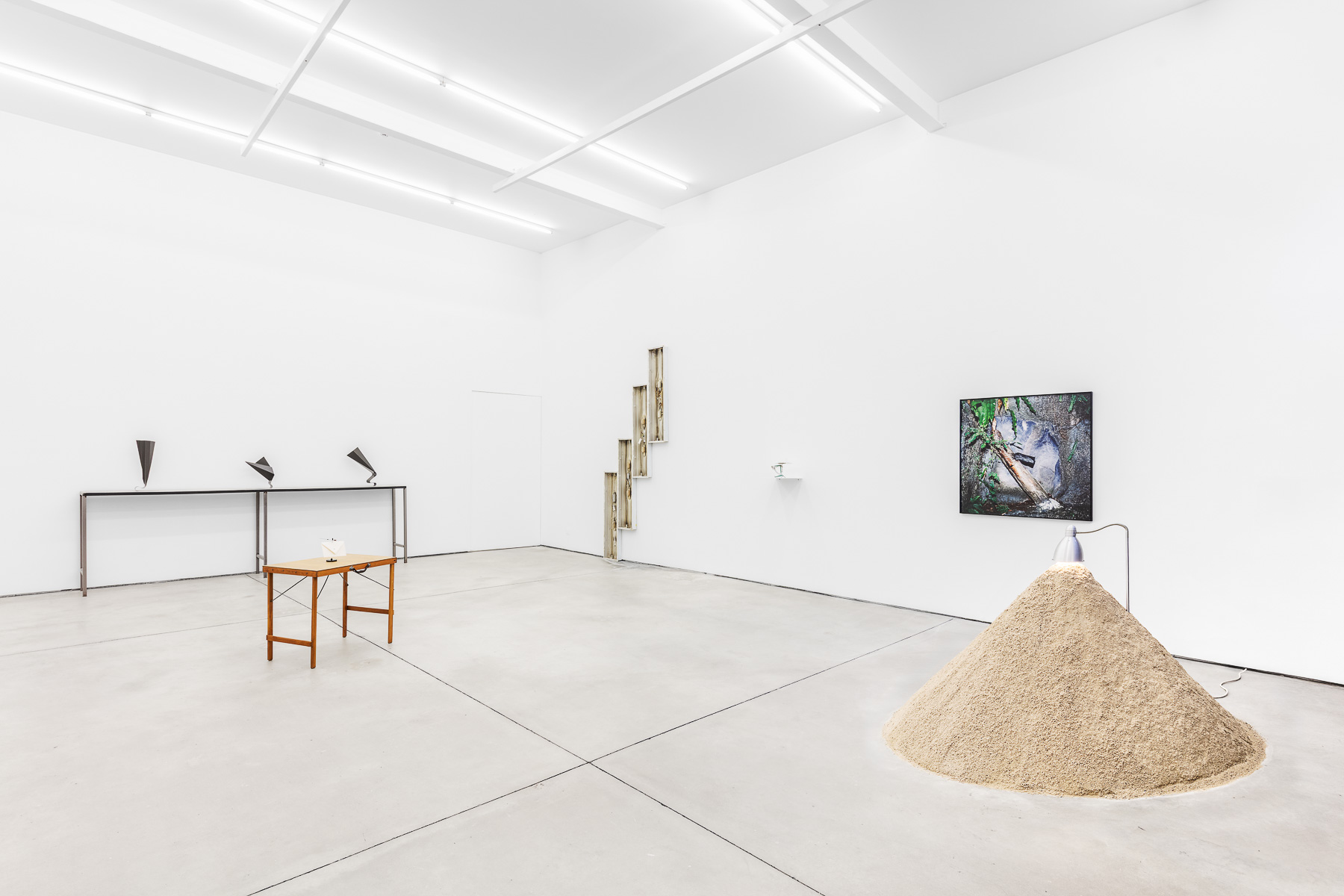
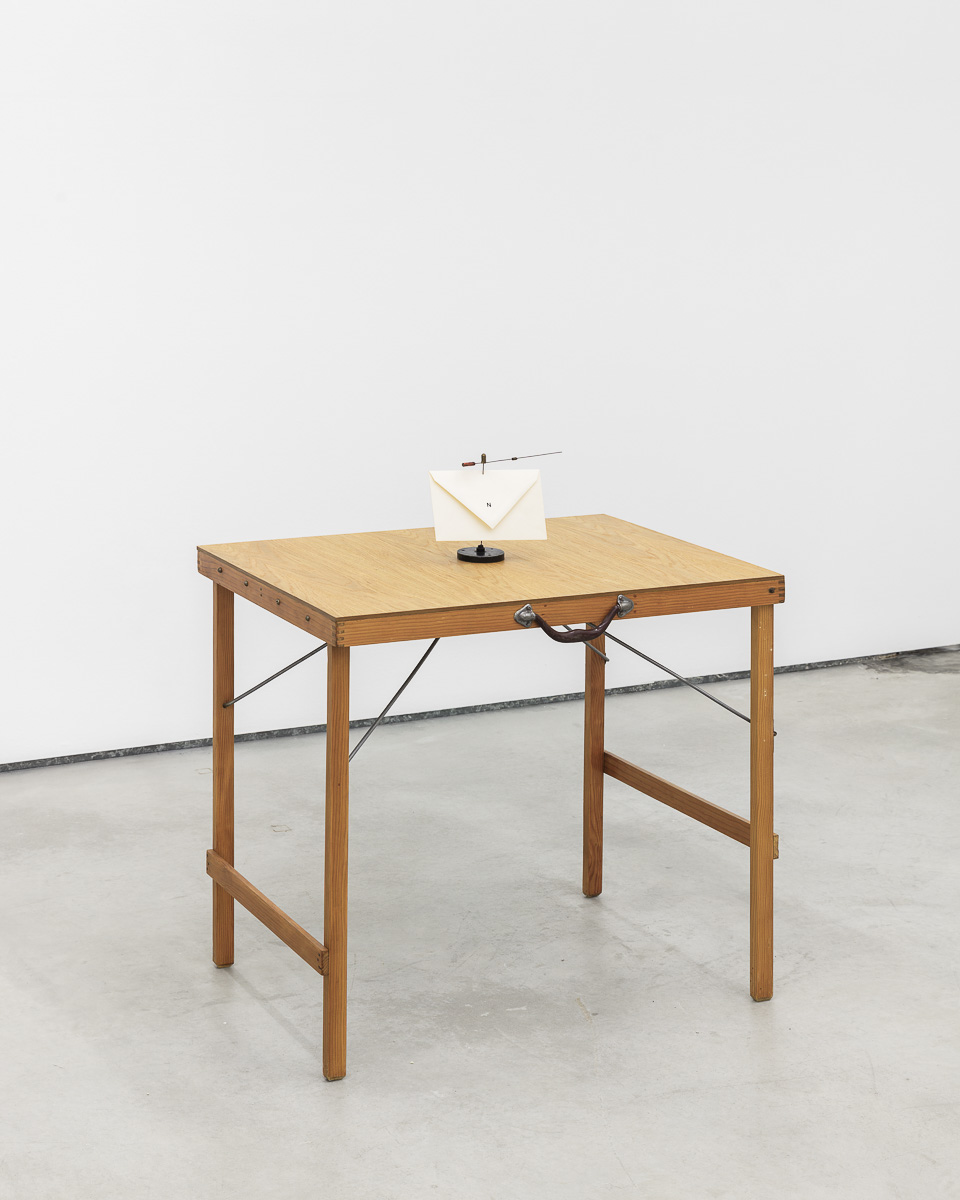
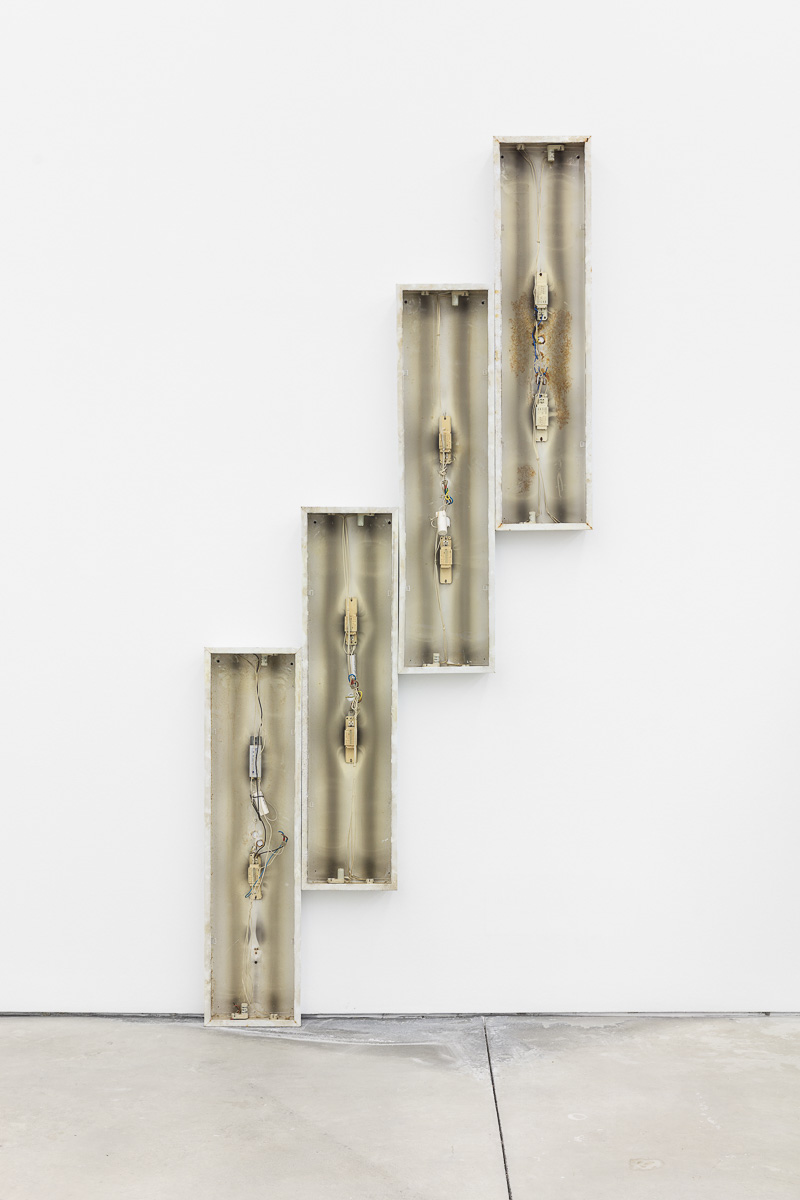
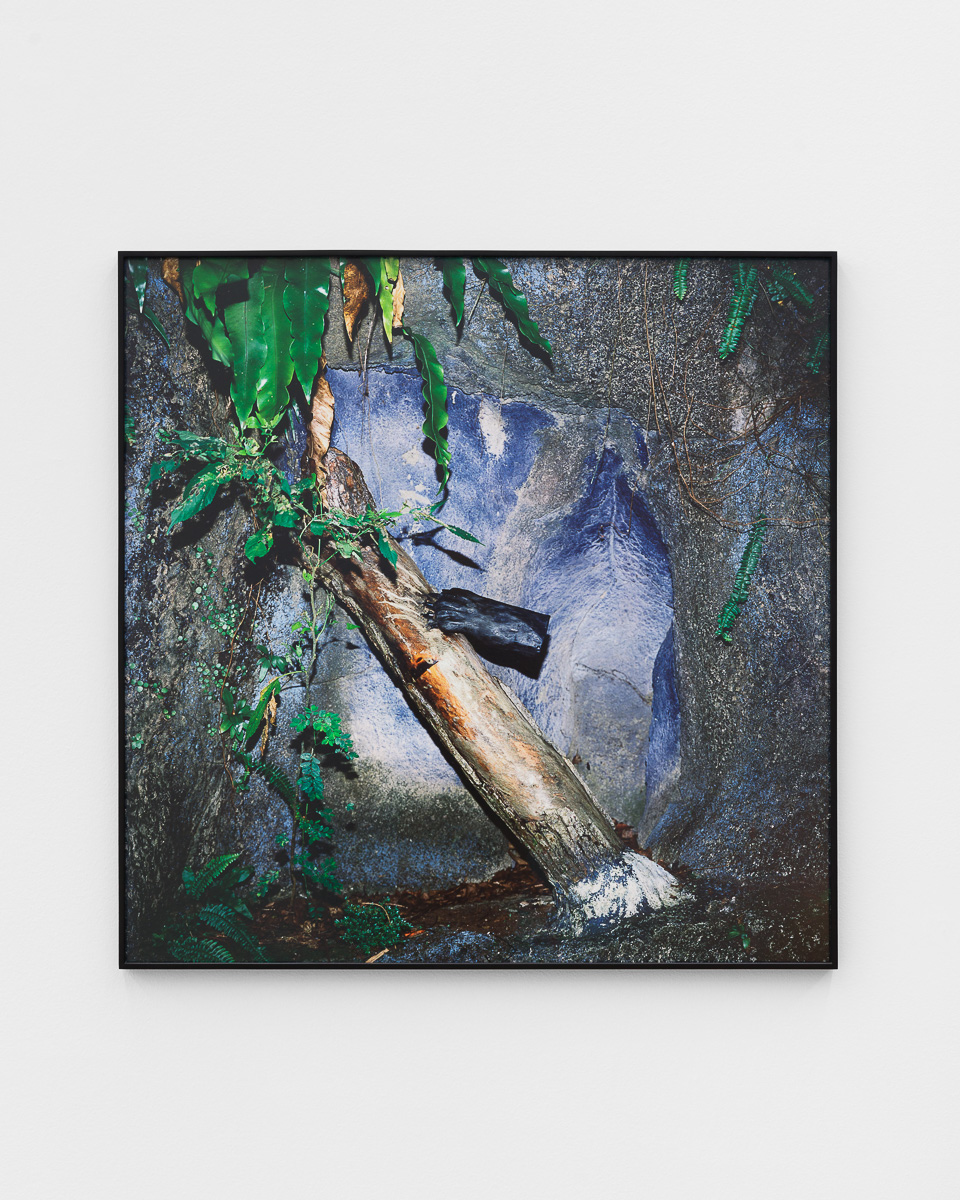
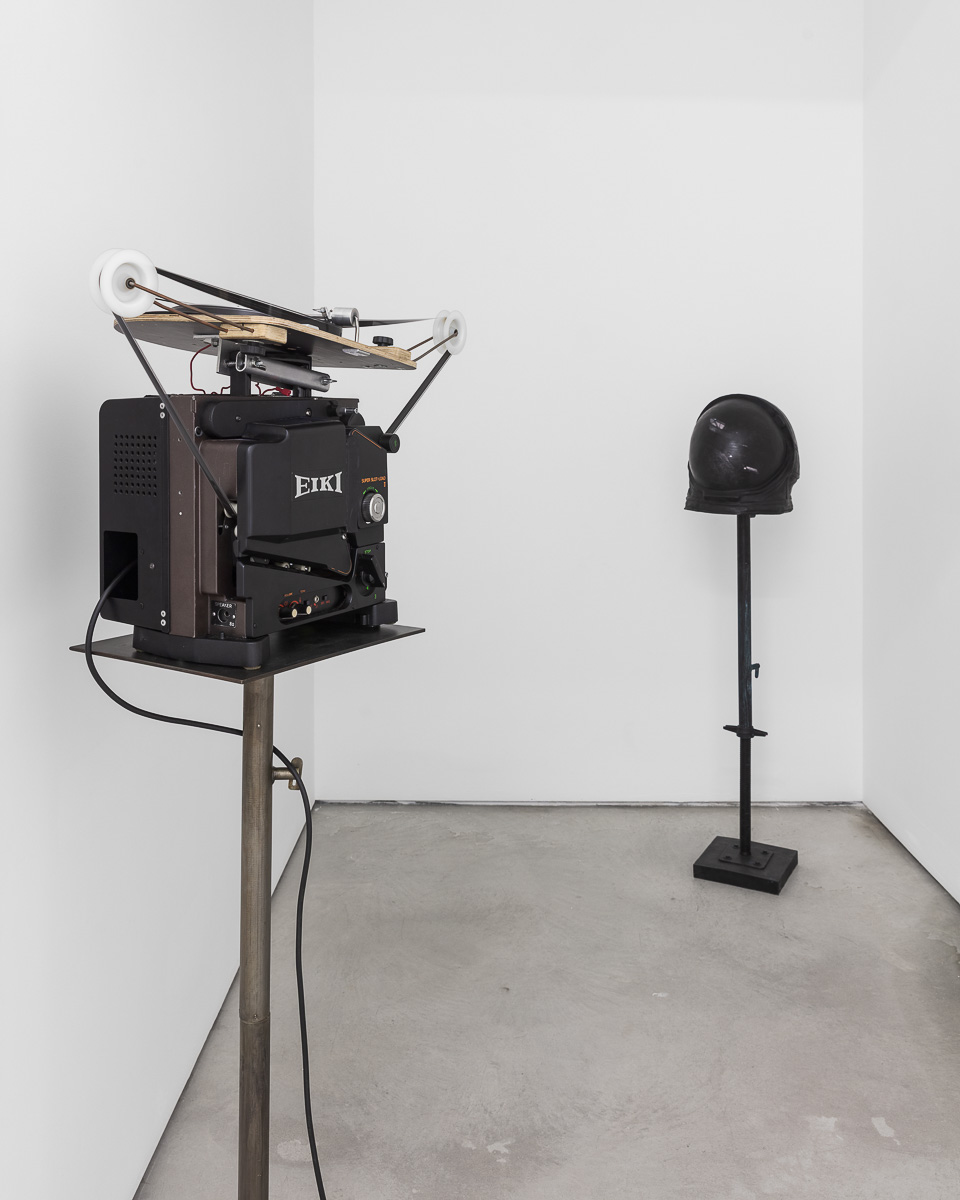
Distortion can be framed in several ways – either as reshaping, transfiguration, misrepresentation, exaggeration. Whether its classification entails a change of form, manipulation of perception, or twisting of information, there is always a displacing drift from the thing’s supposed ‘true’ or ‘original’ state. And yet, should distortion be viewed as an anomaly, a sort of a non-normative event? Or, could it be traced in the underlying dynamic structure of the way things acquire form, i.e., come to be? By being labelled as inherent, it is the very distortion that is situated at the core of the identity of a thing: the apparent coherence is sustained by permanent adjustment, and what is perceived as a stable identity relies upon constant internal reconstruction.
Needless to say, our own psychological framework operates on the basis of a similar distorting principle, be it memory, perception, or the self. This does not apply only to the extreme cases of confabulations, illusions, or dissociations. A simple fact is that reality is not encountered in a direct and unmediated way, but through the modulating layers of recollection, projection, association, expectation. Both psychological stability and the perceived coherence of the world depend, paradoxically, on acts of selection, editing, omission, reconstruction.
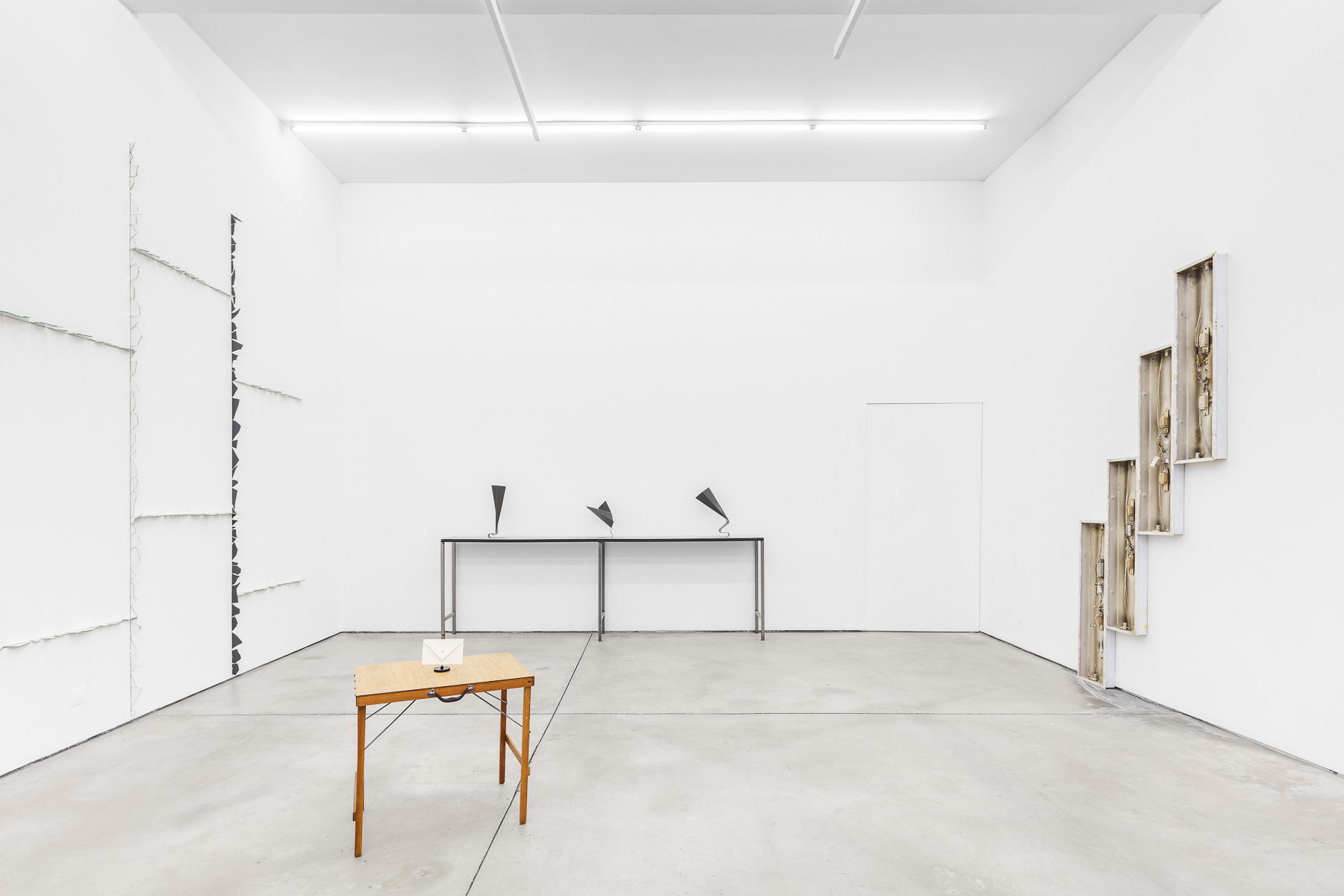
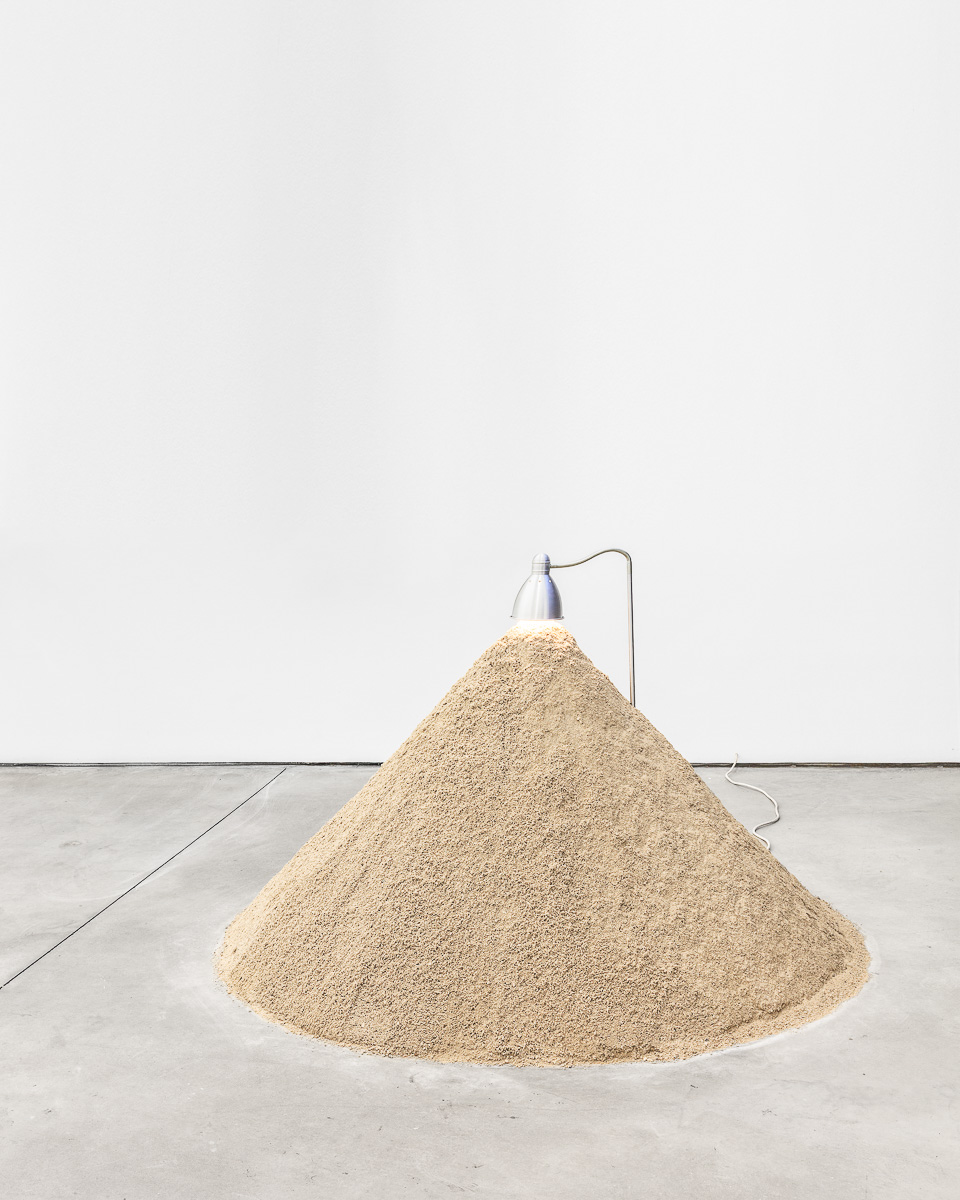
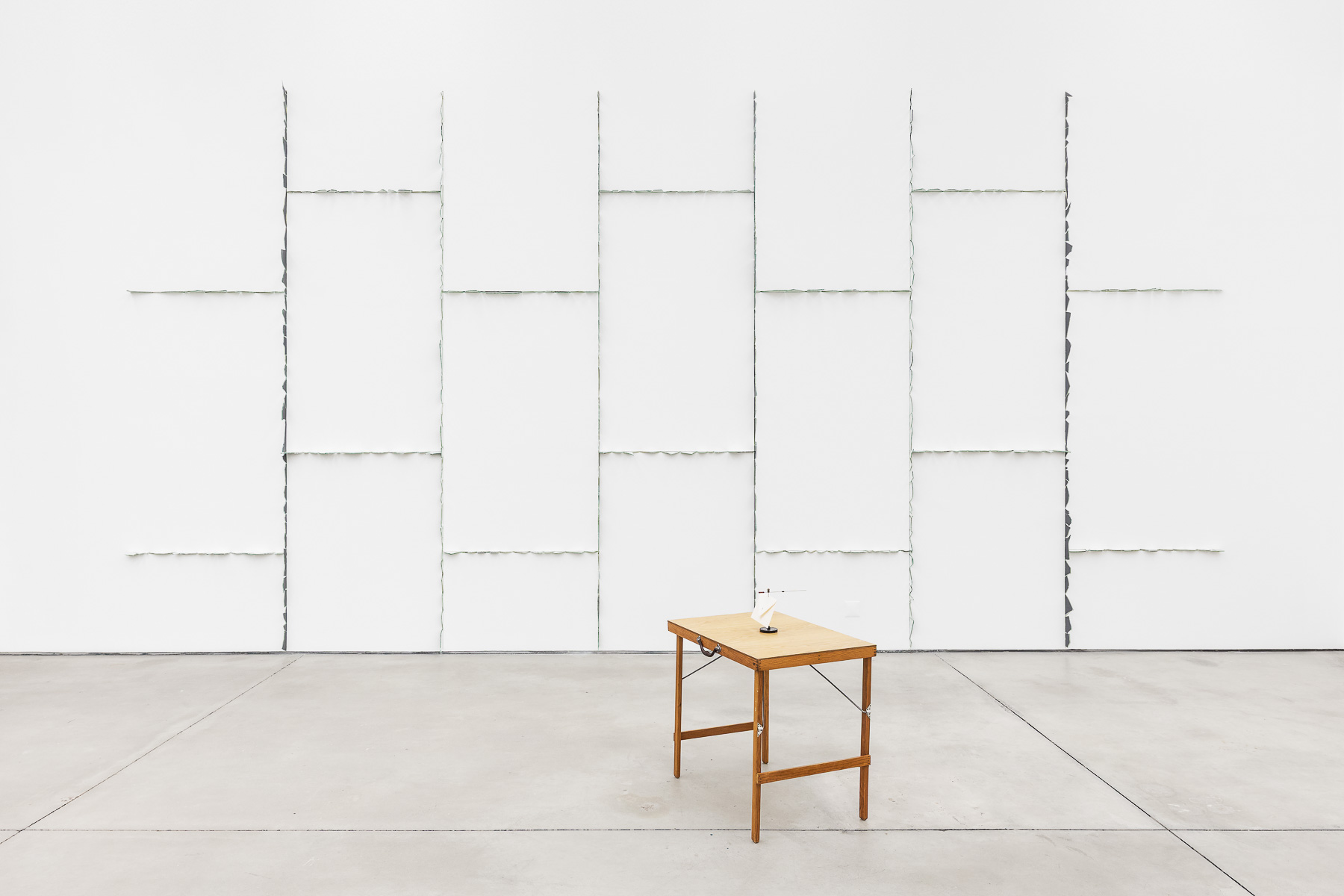
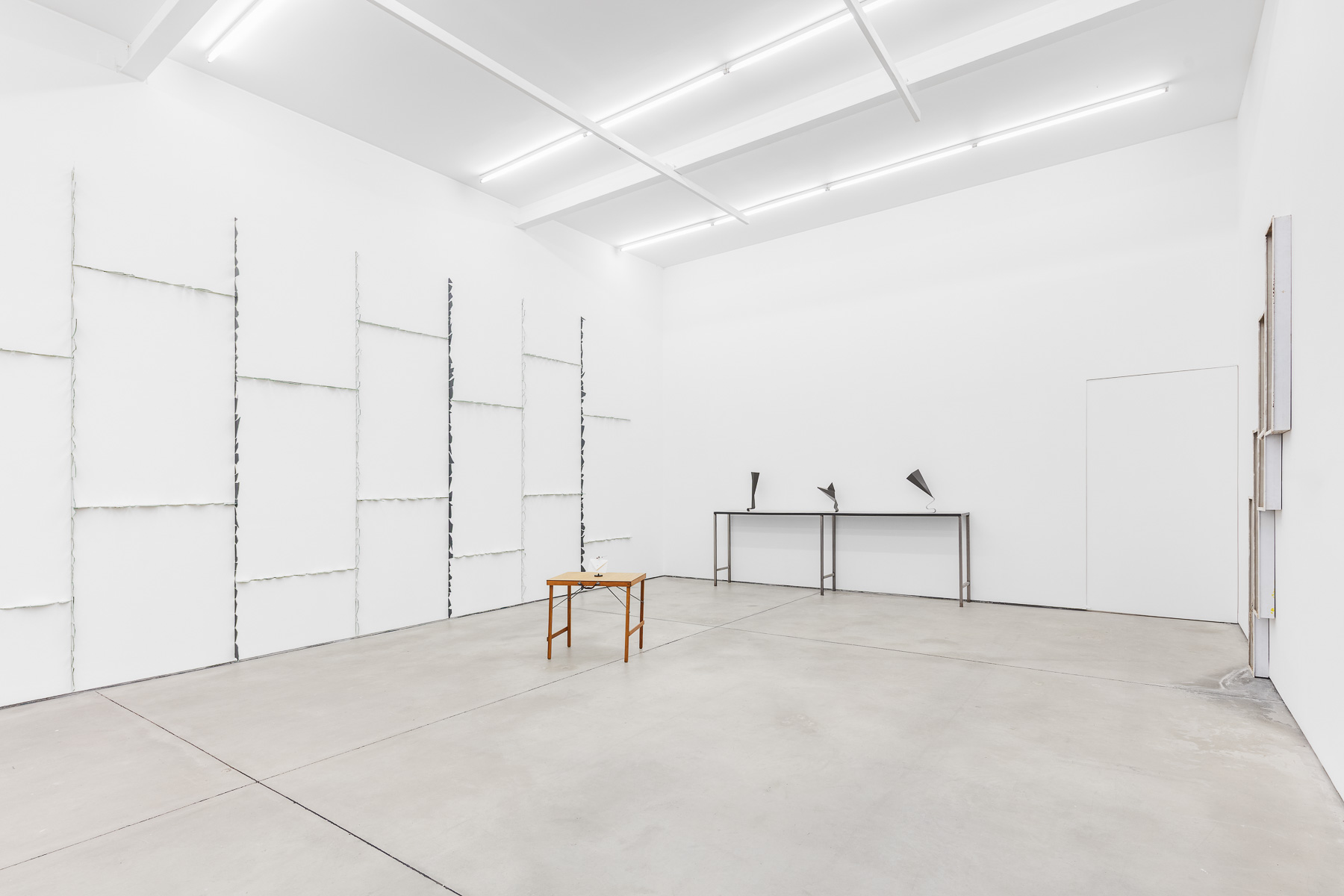
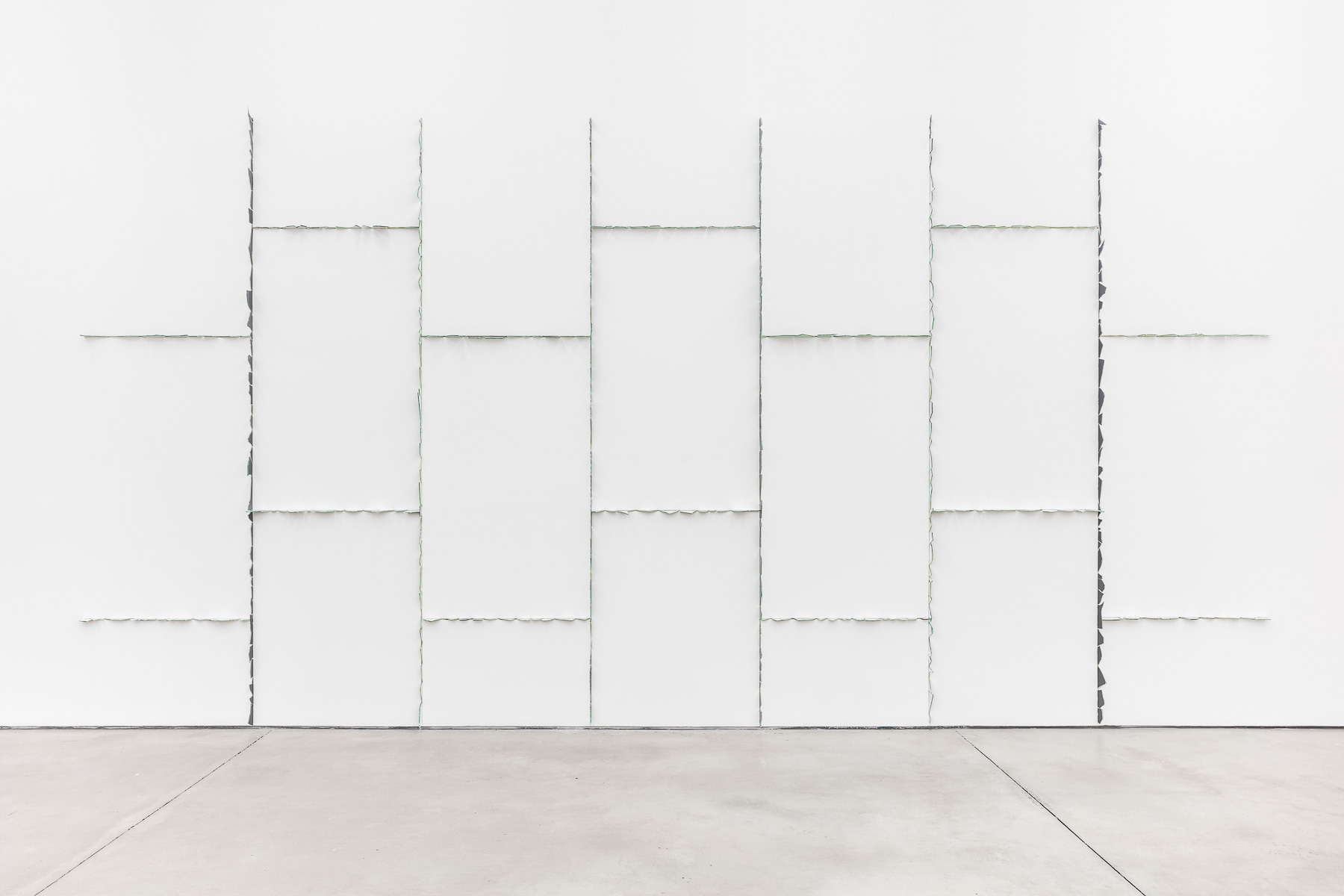
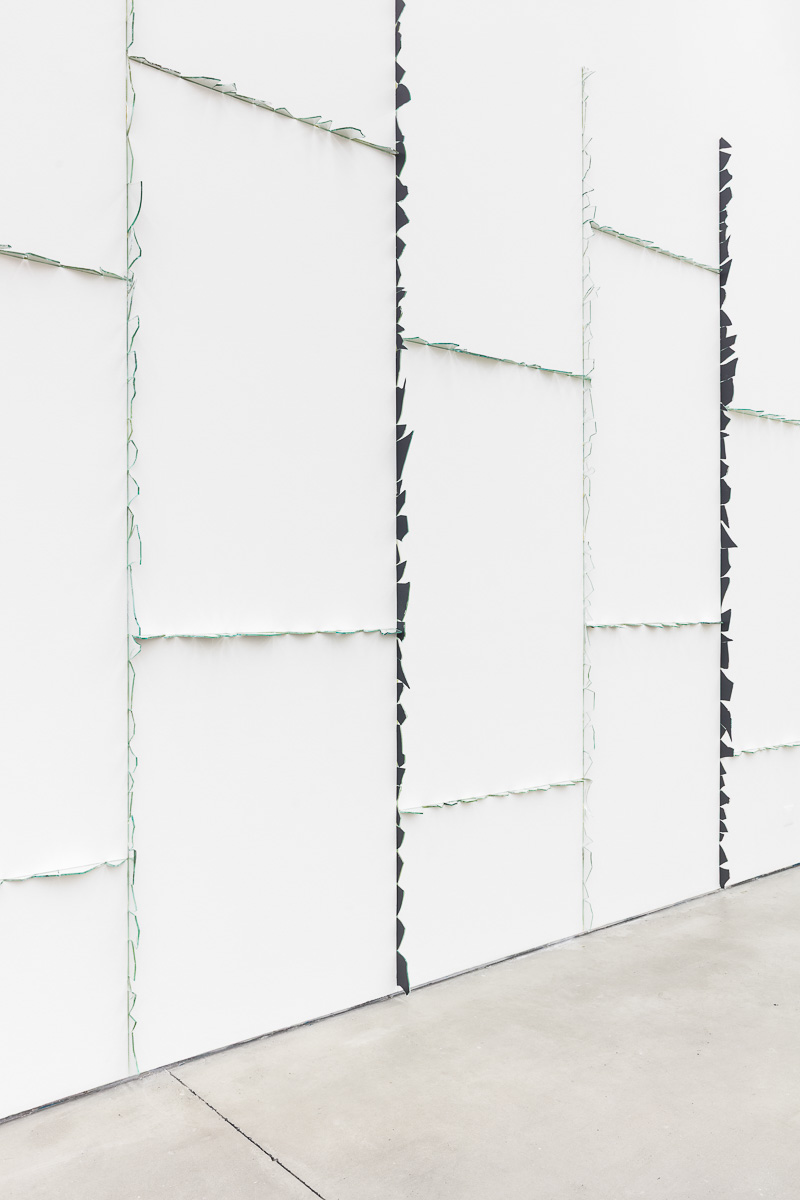
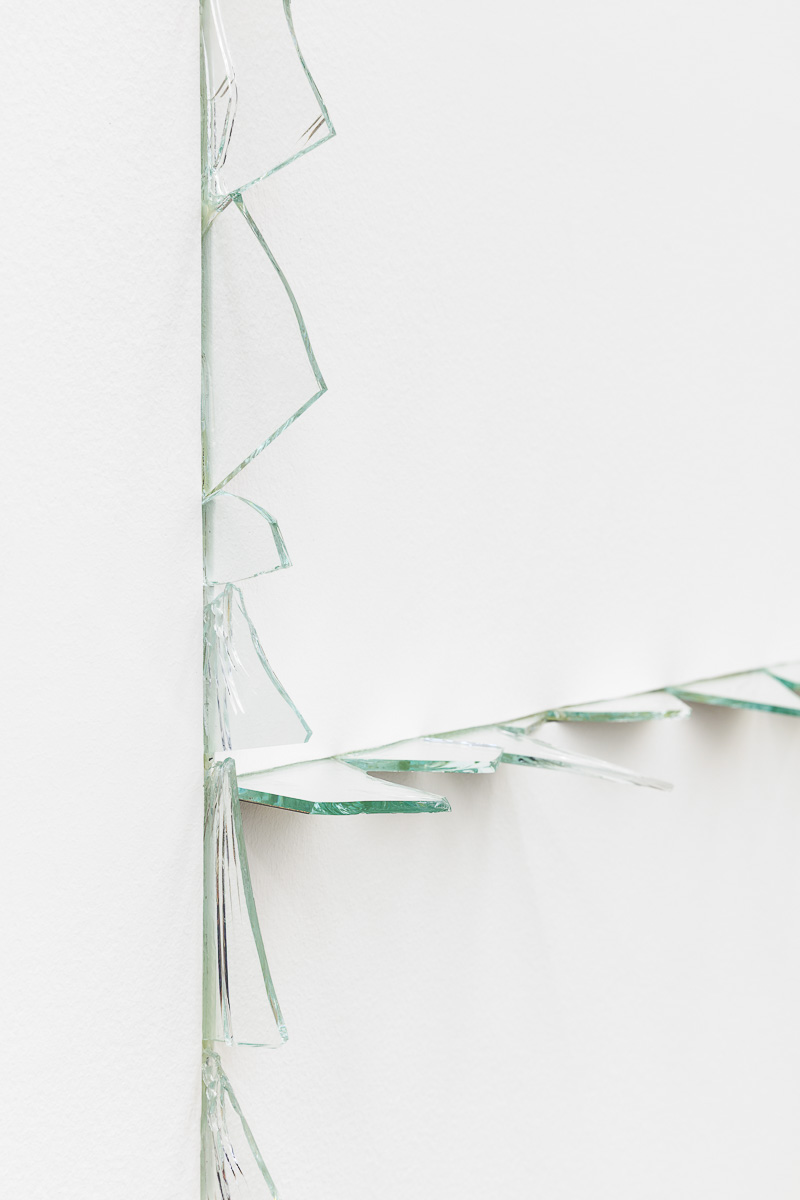
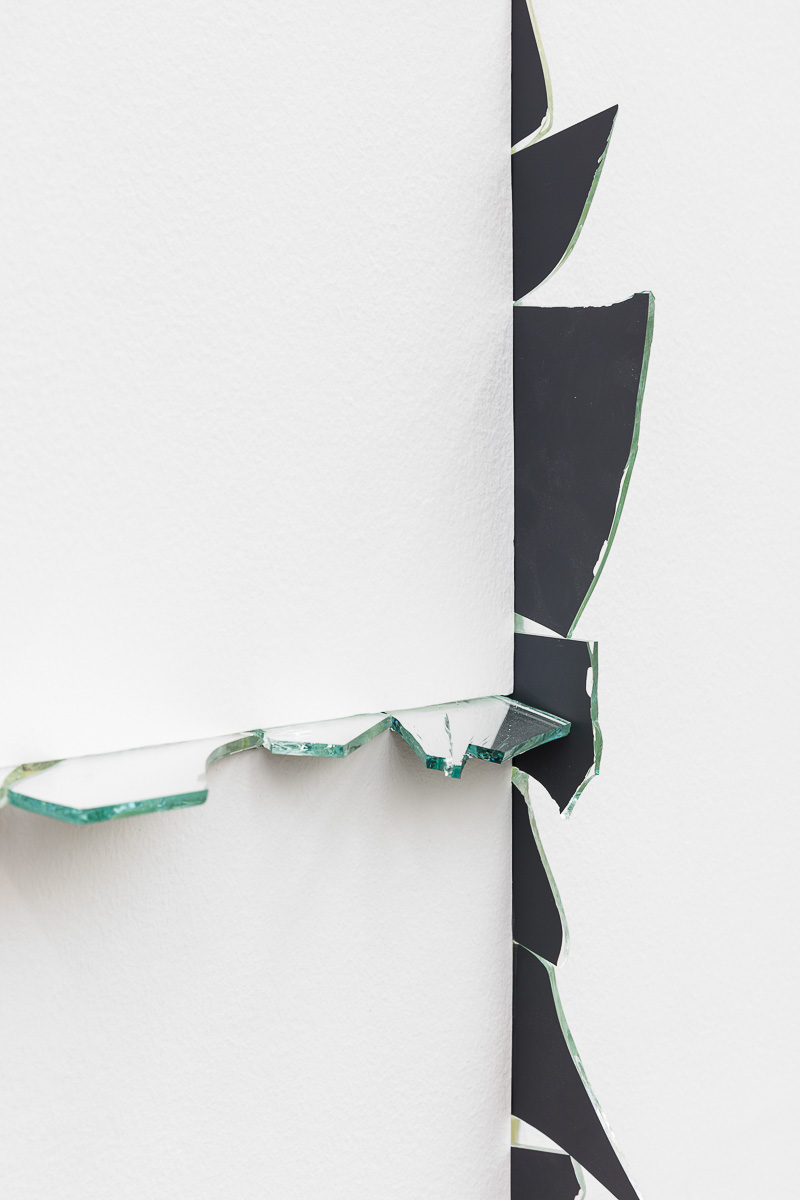
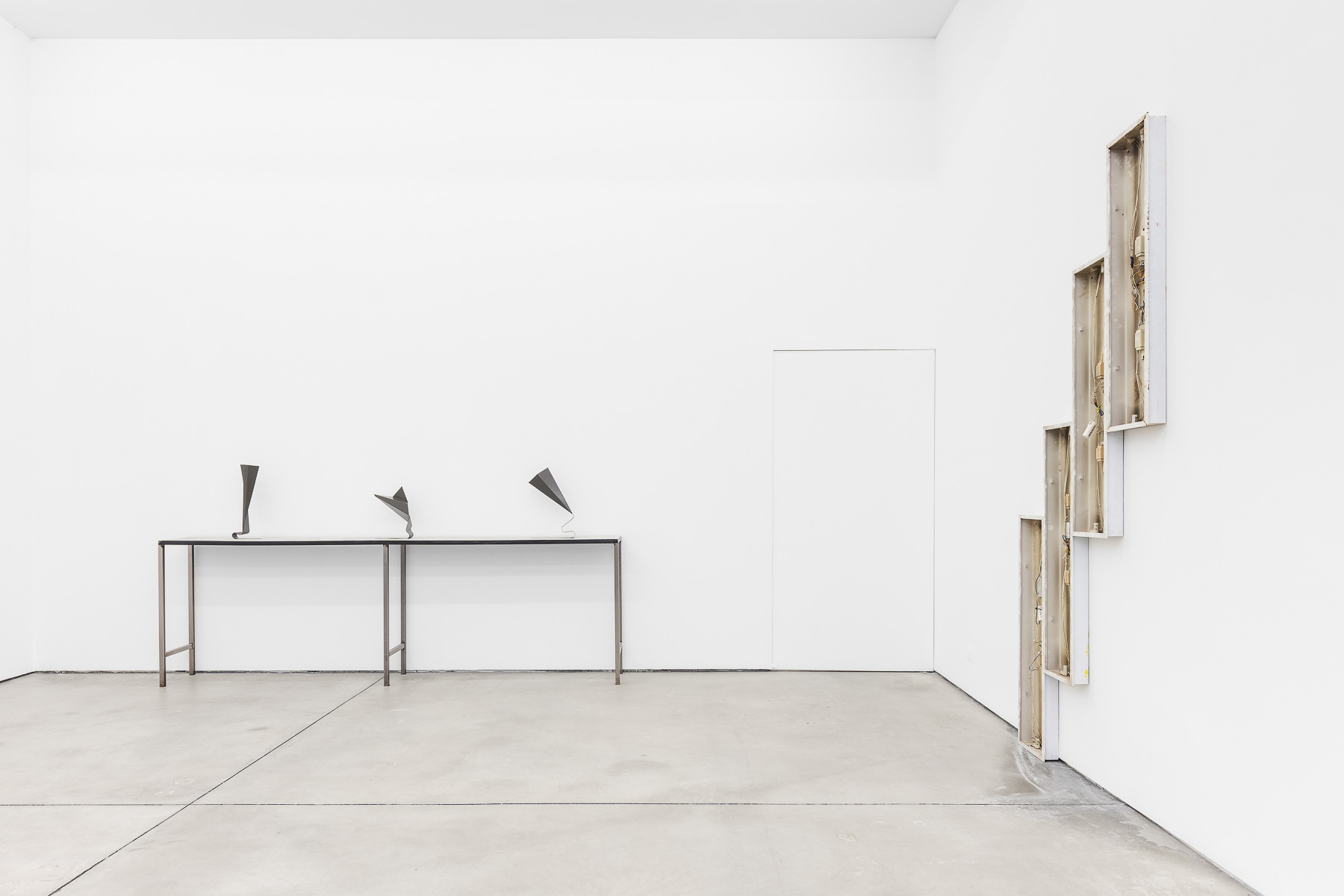
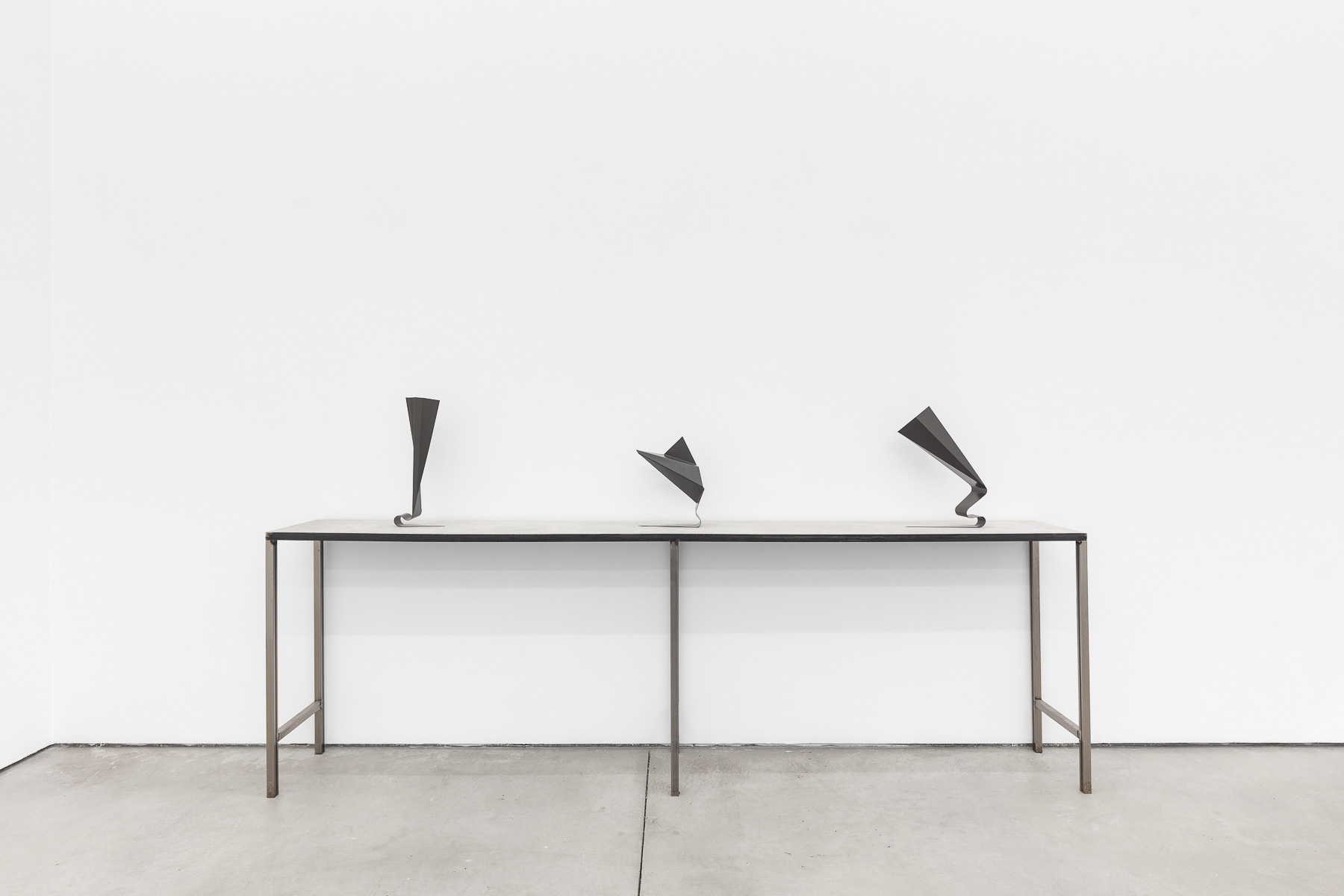
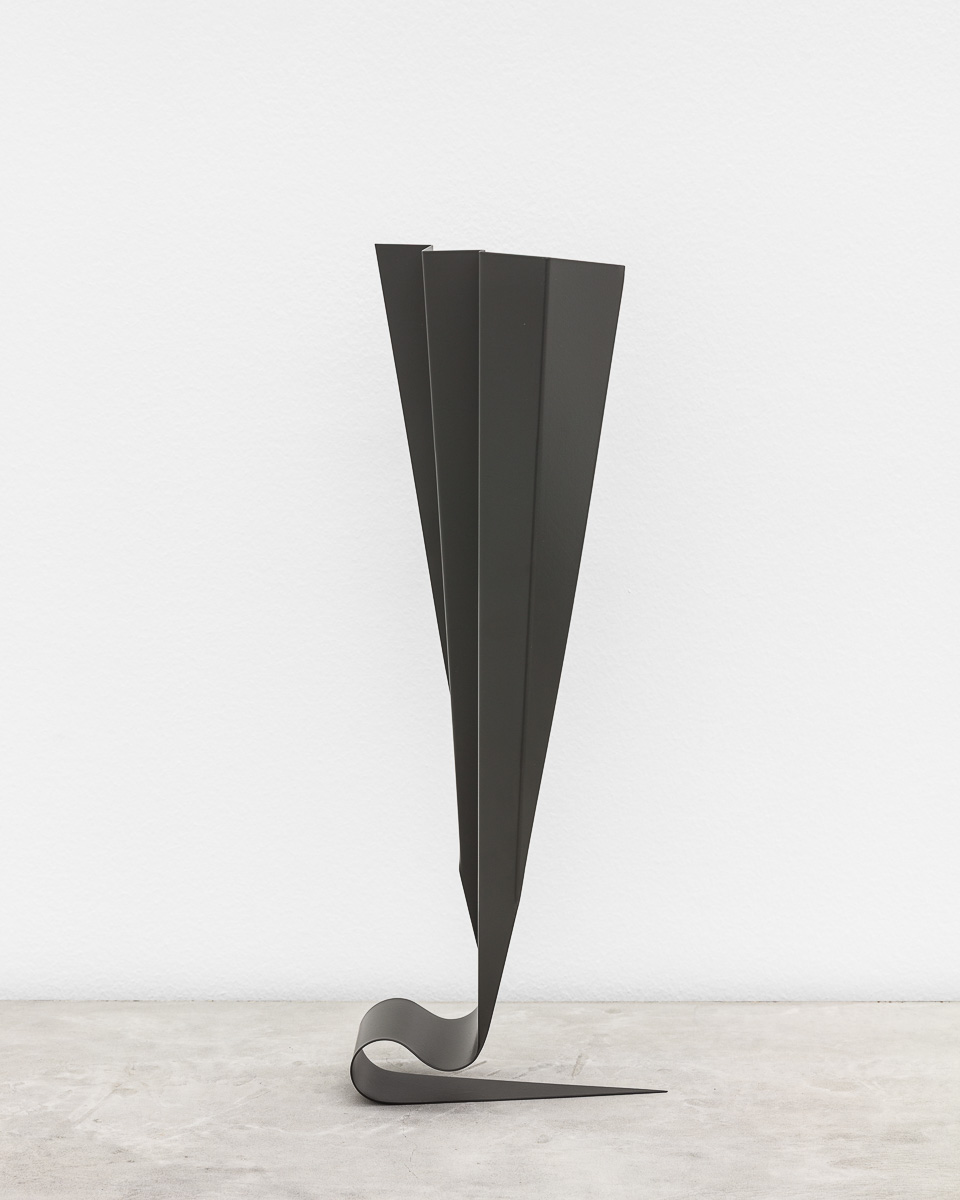
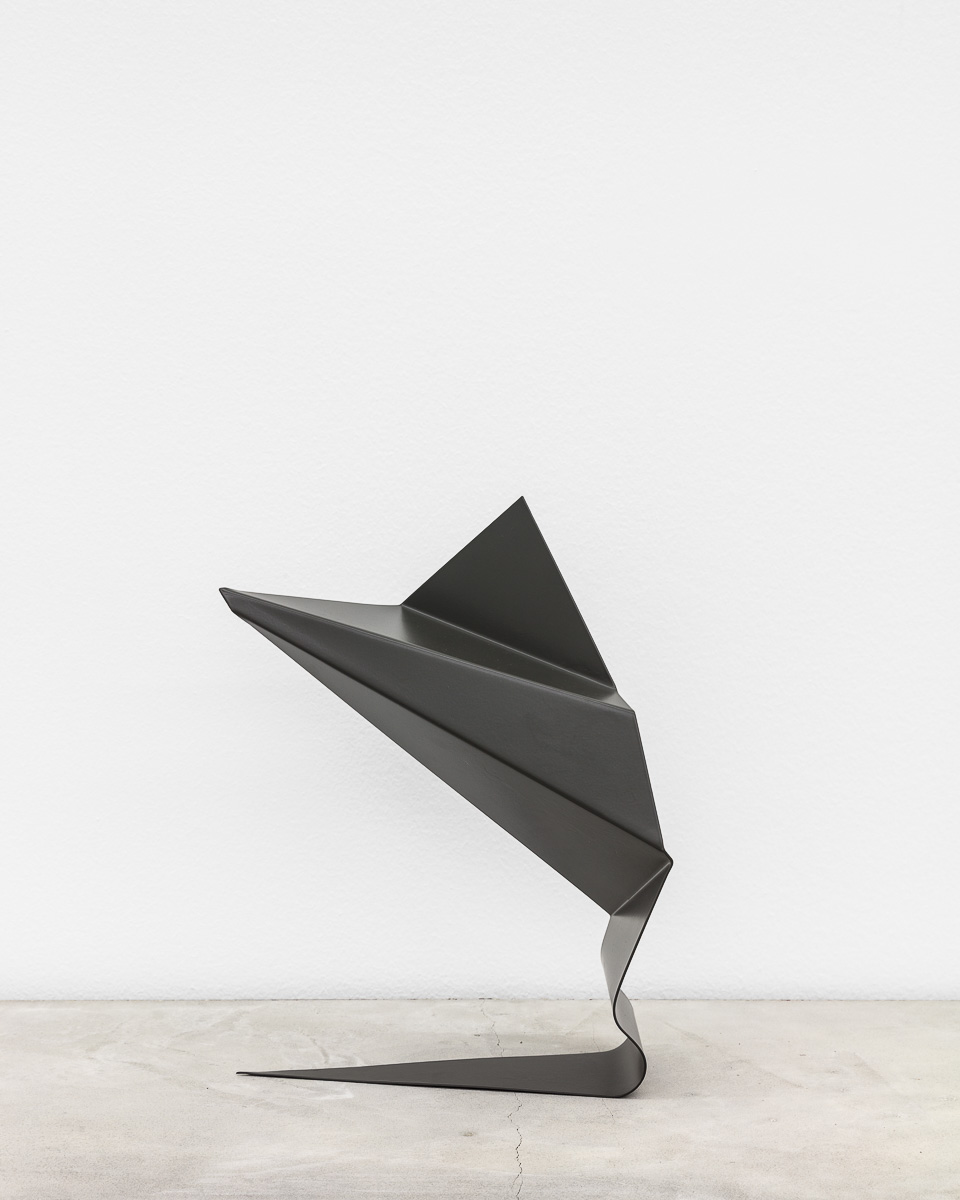
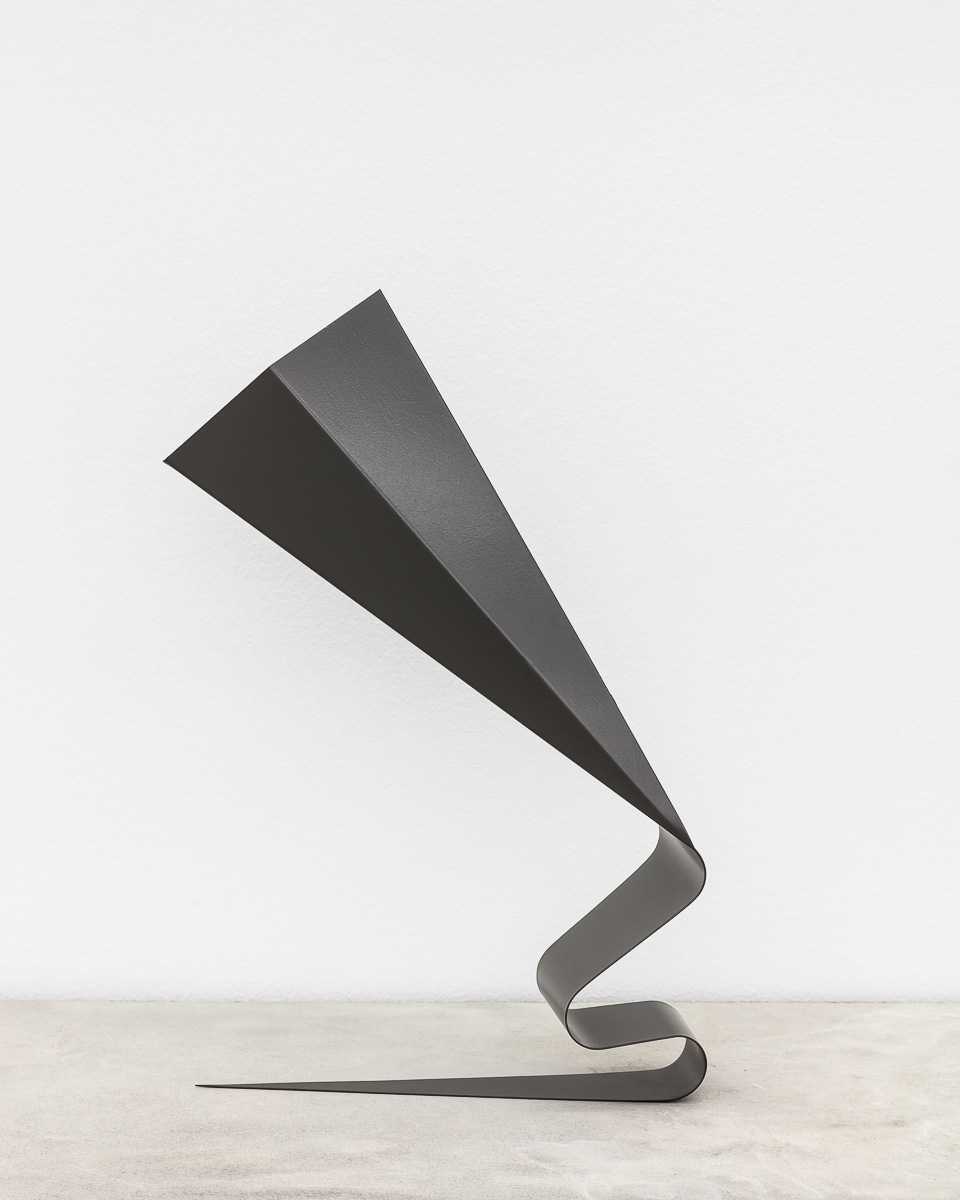
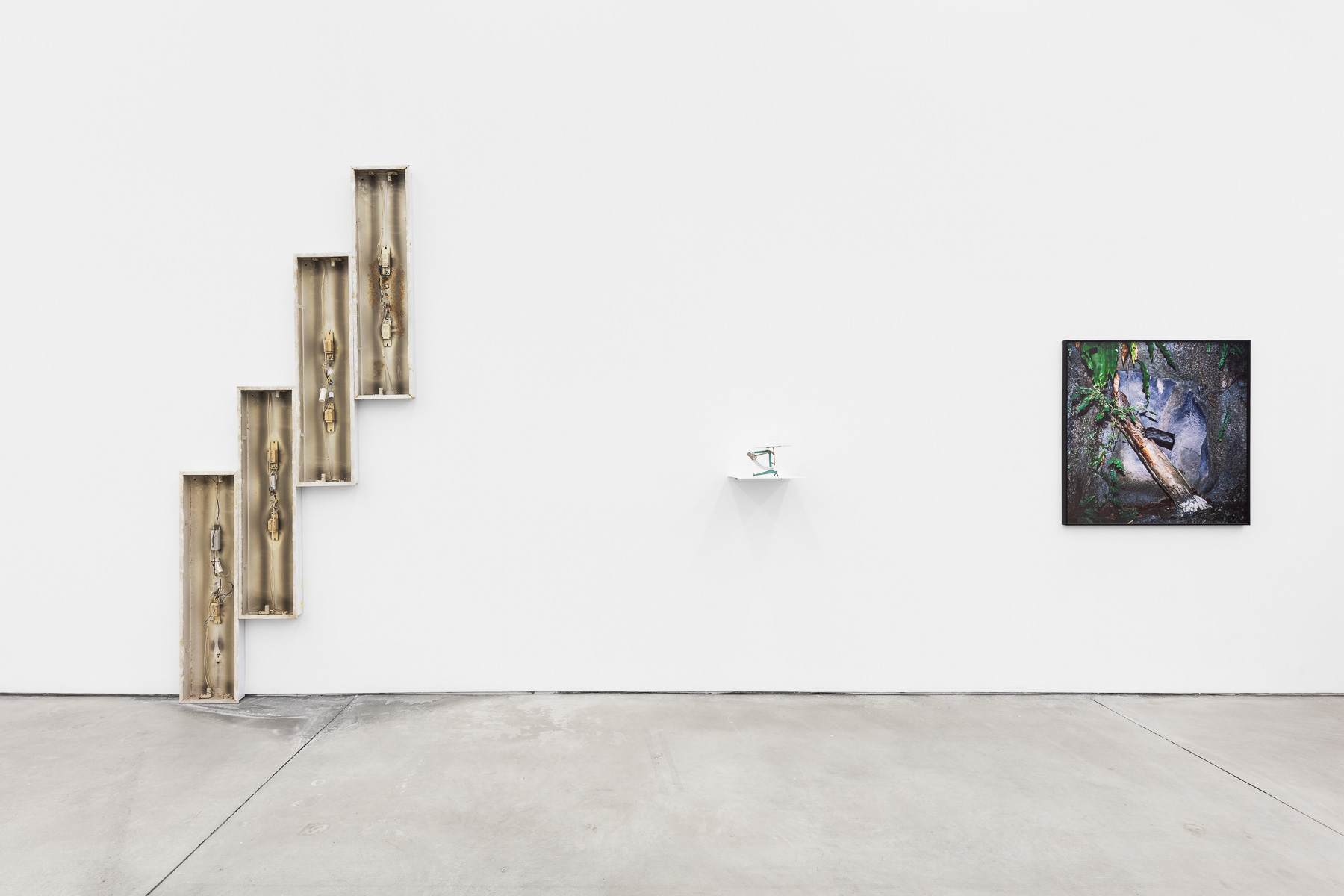
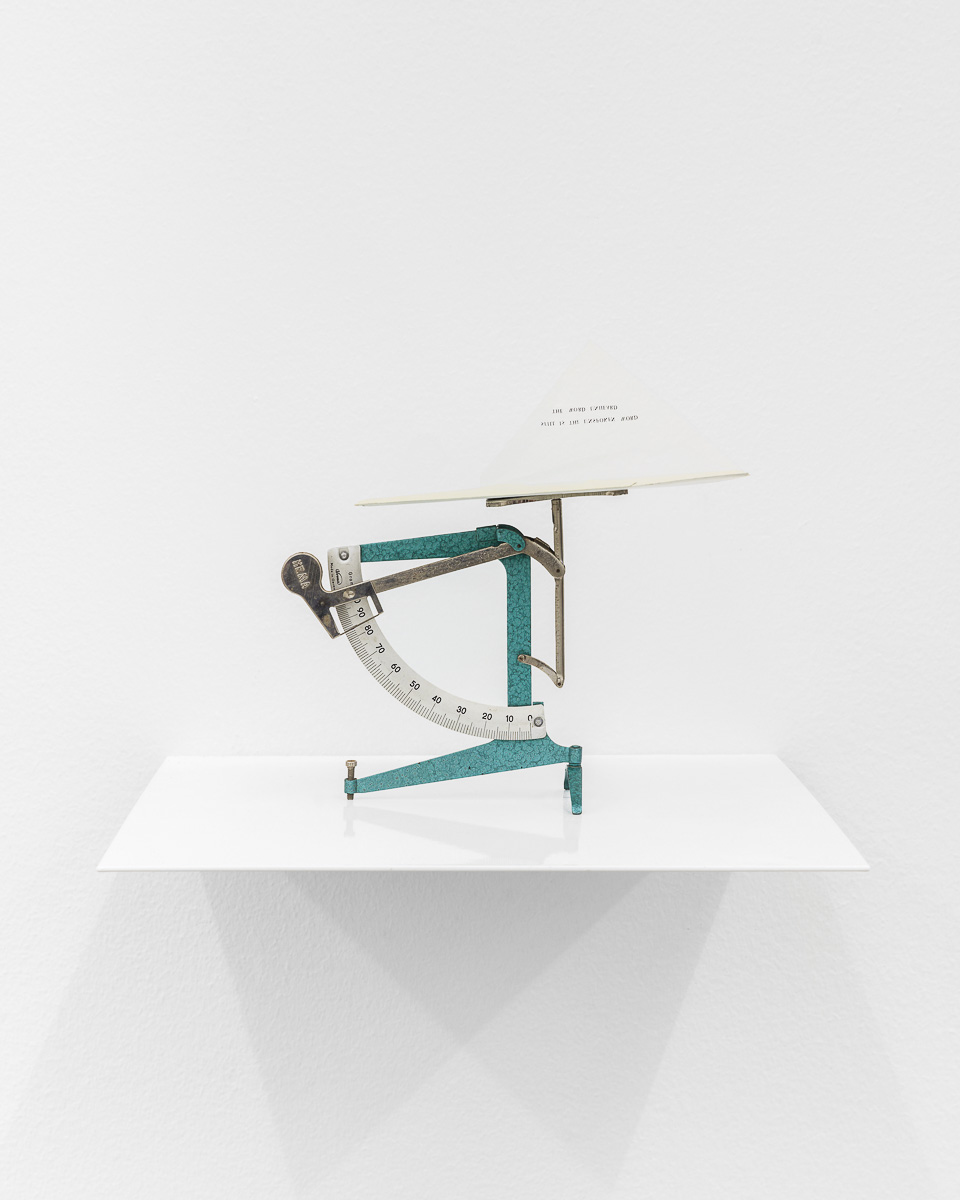
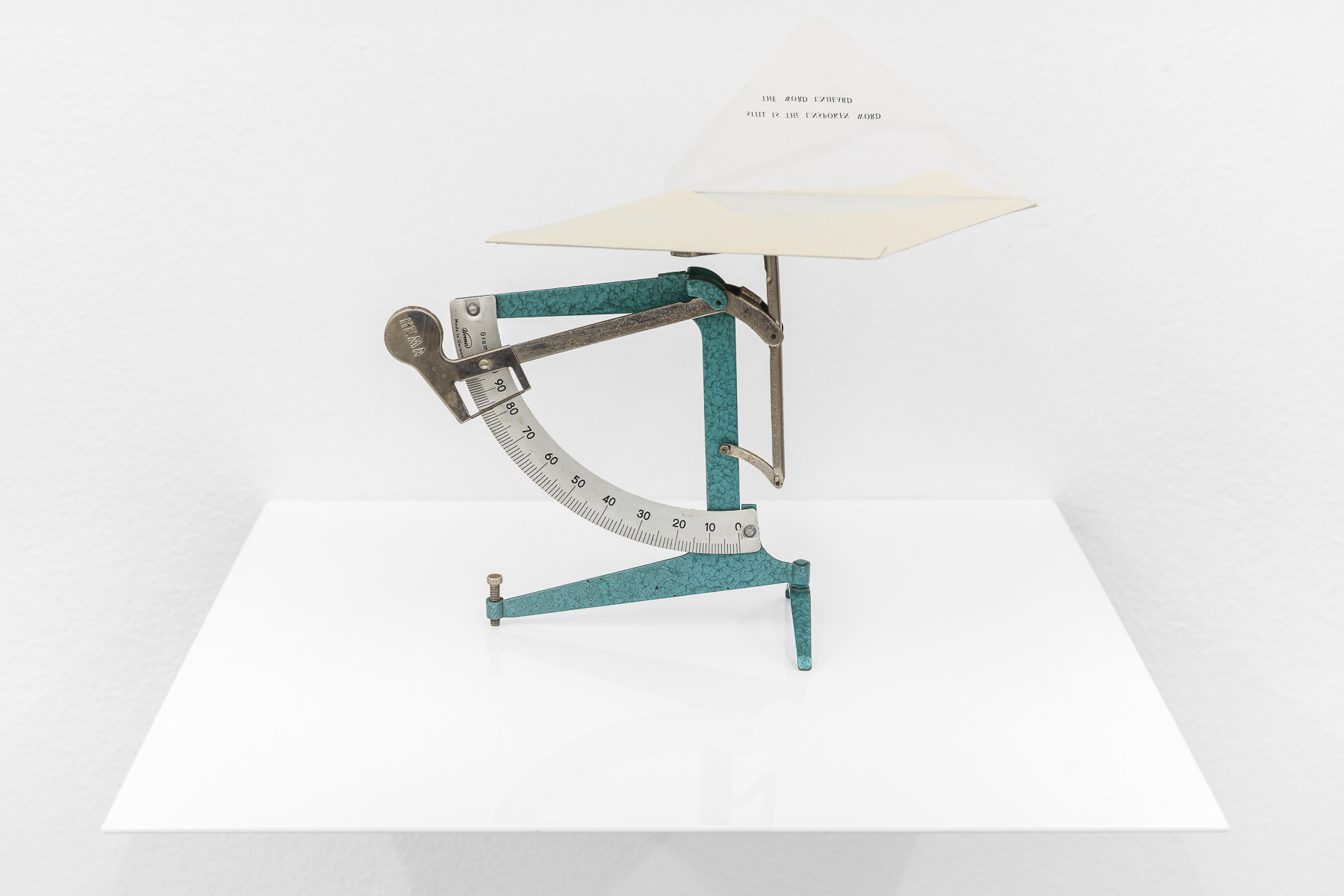
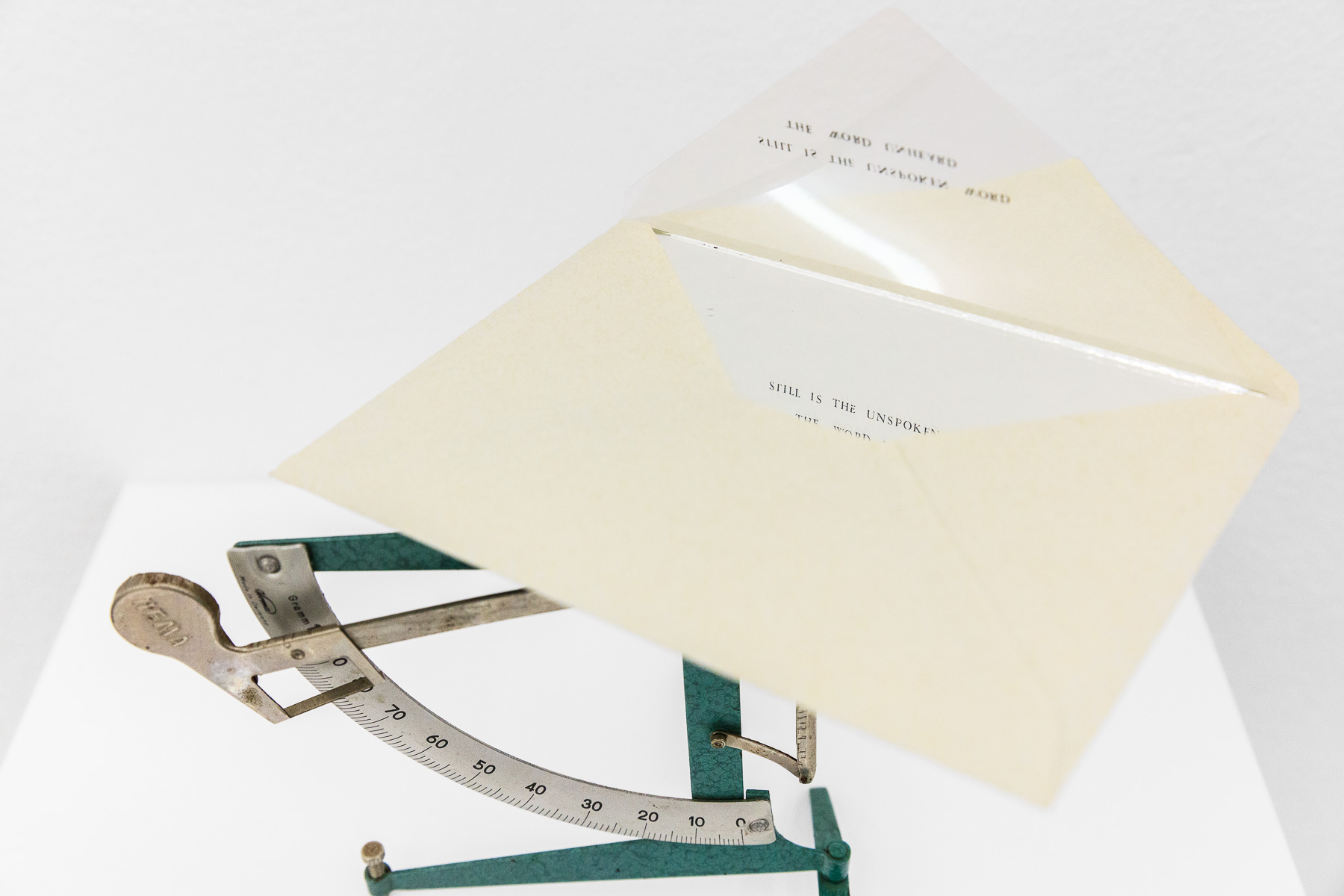
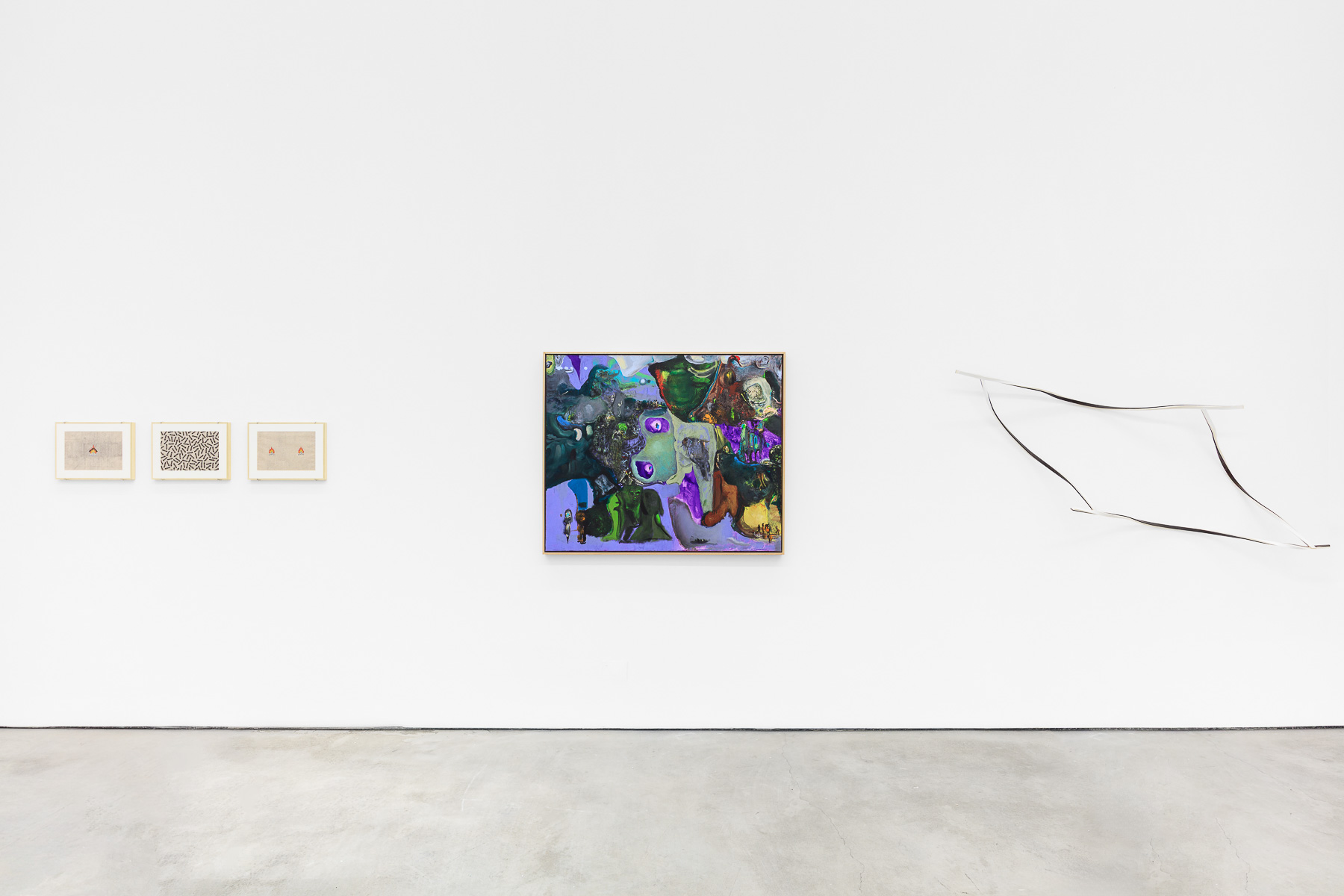
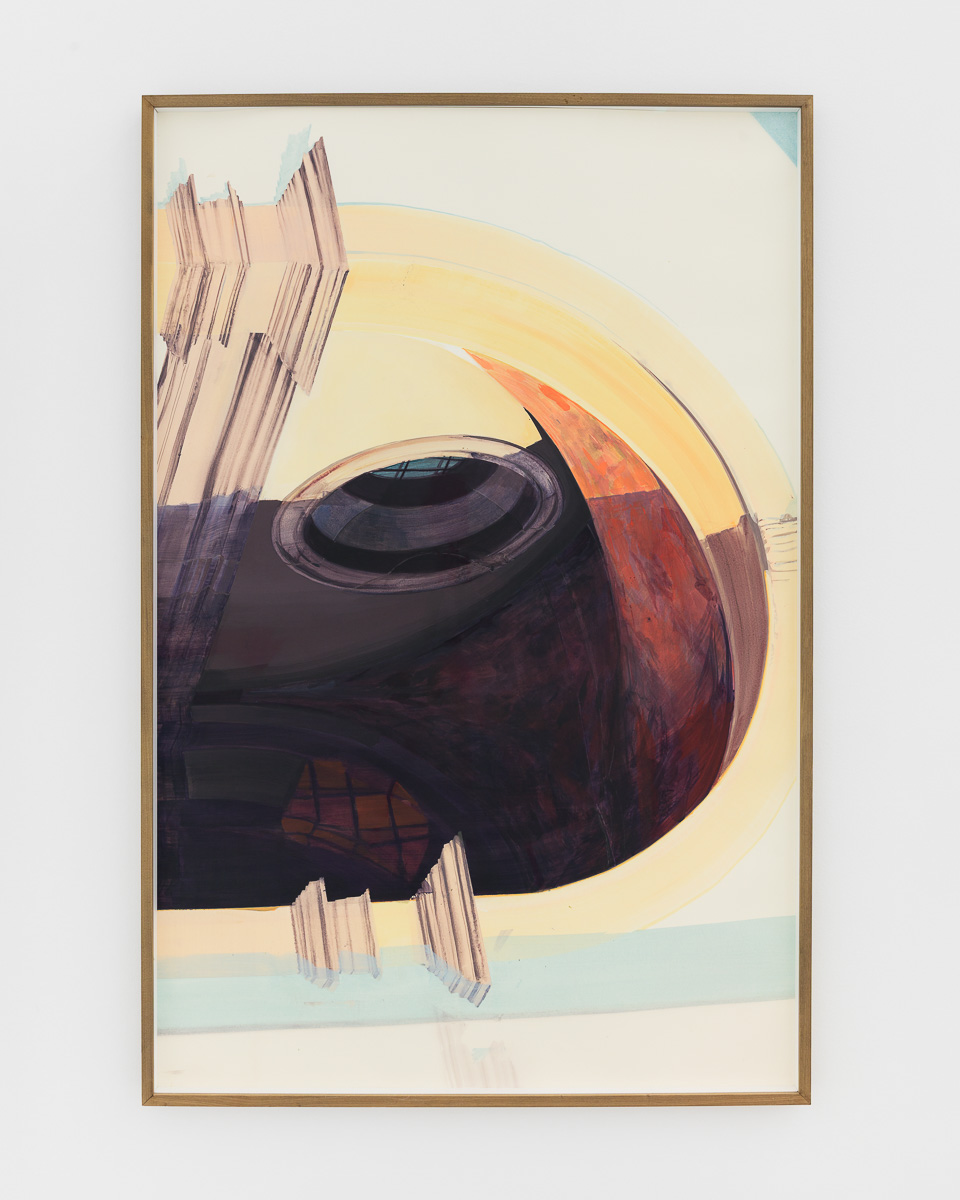
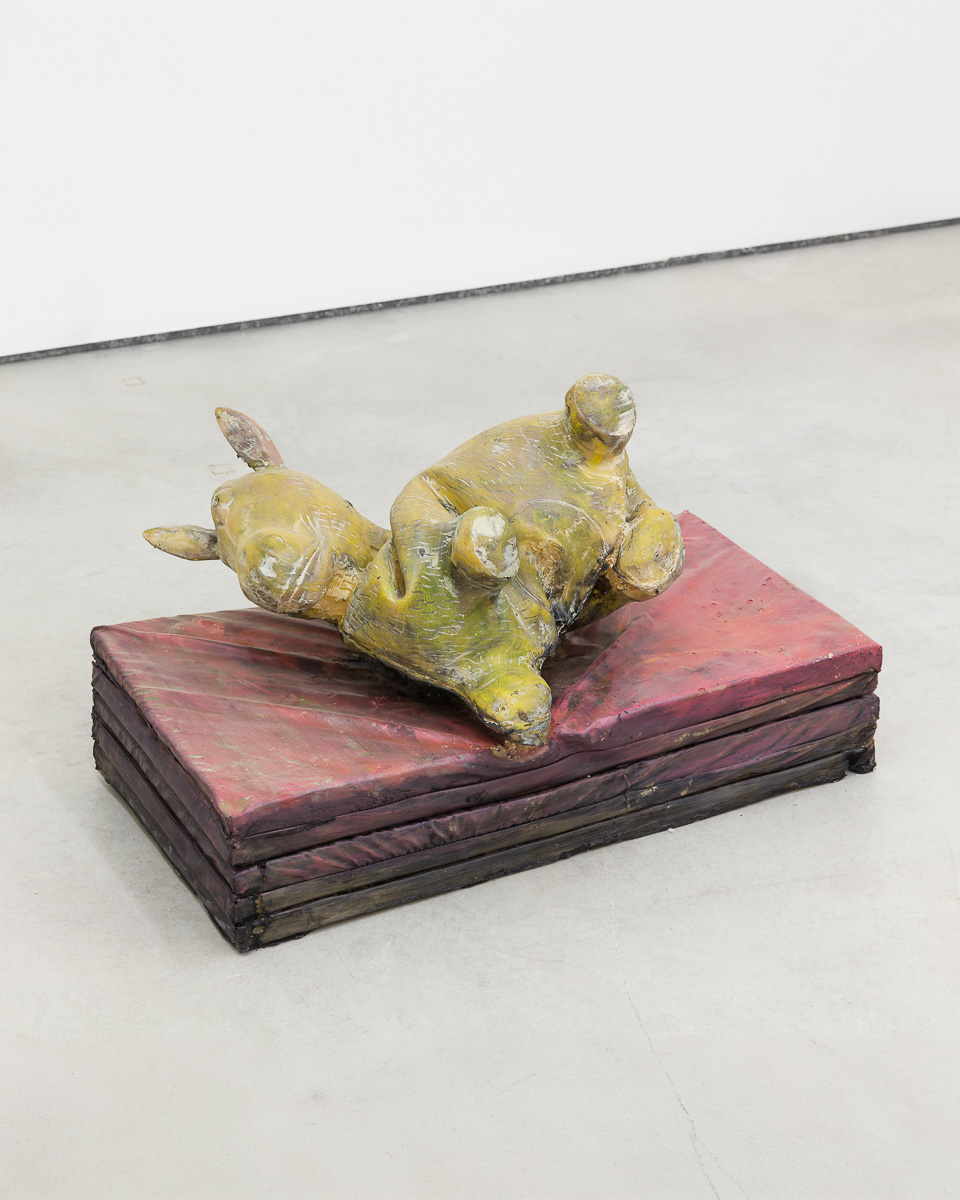
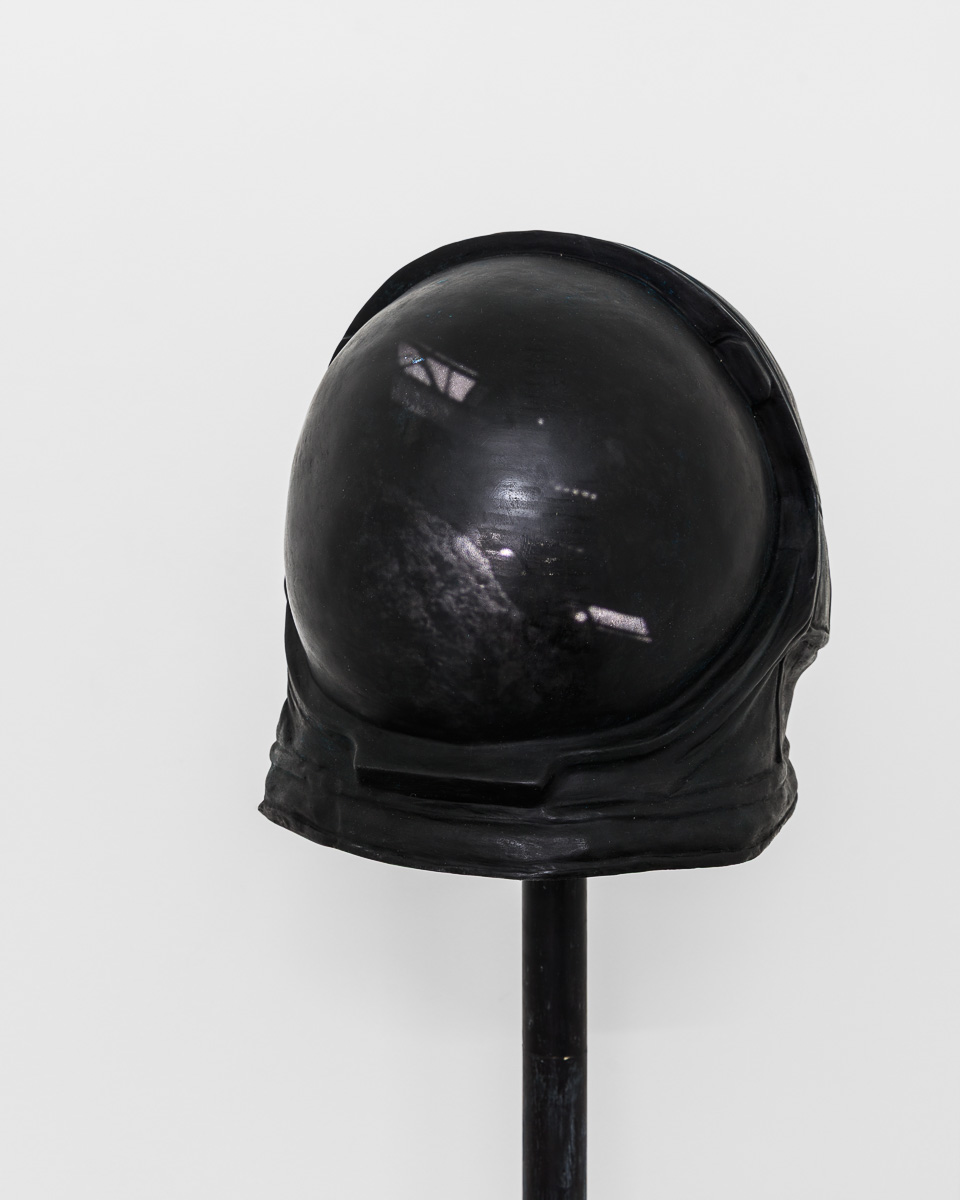
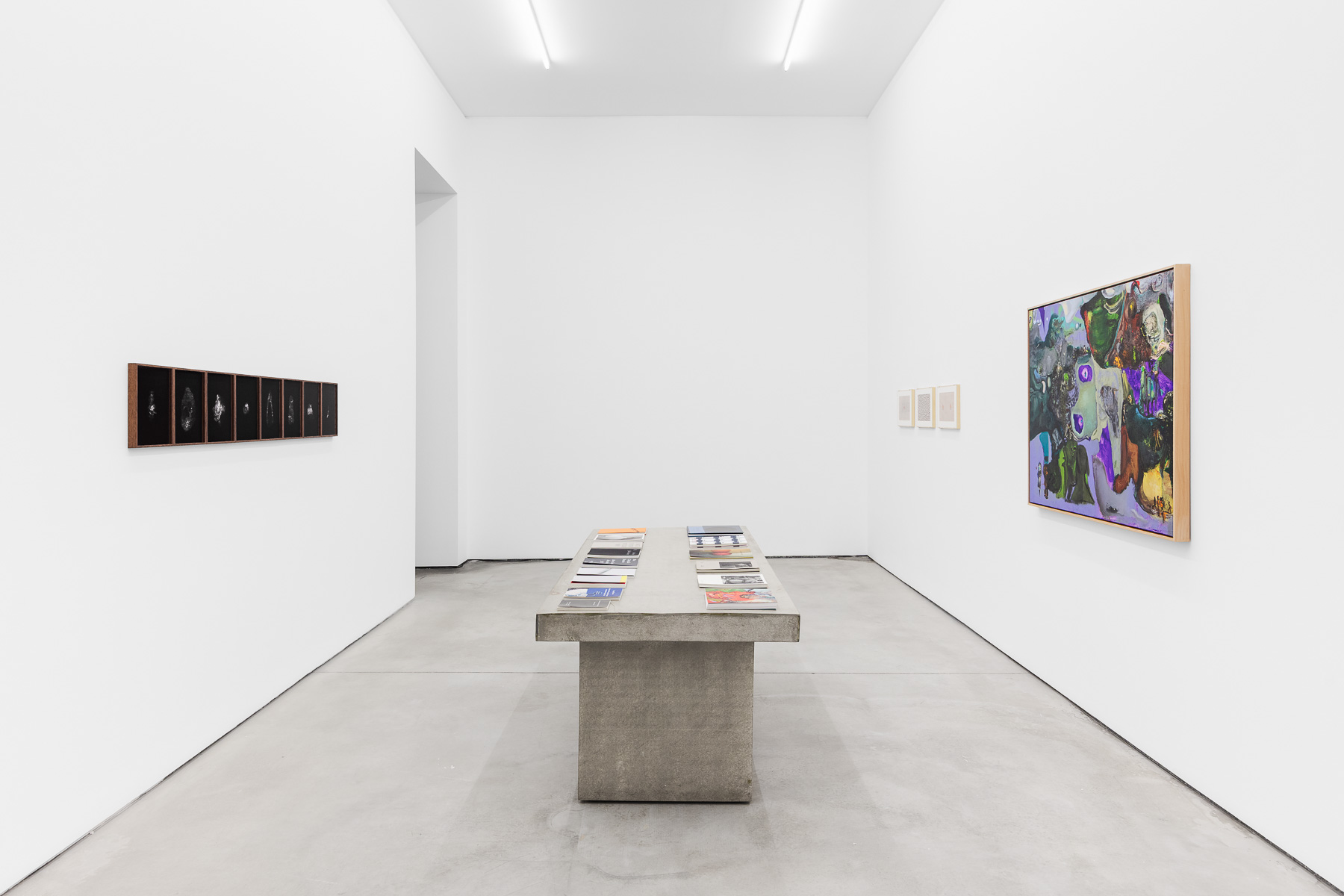
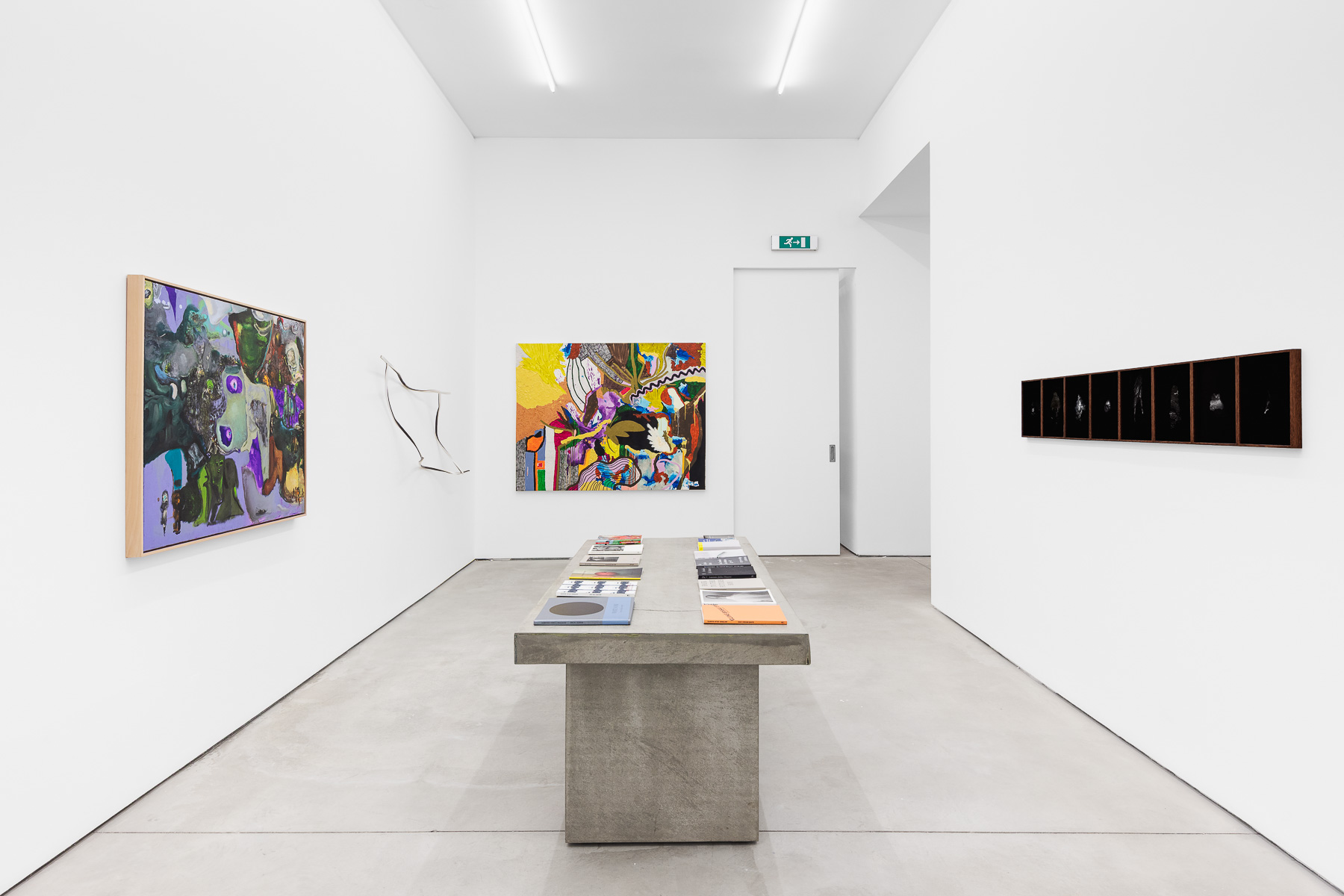
Seeking an absolute truth about – or even a fairly factual representation of – anything therefore becomes pointless. Similarly, there is nothing ‘true’ – natural, stable, or fixed – about art, except for the fact of its specifying quality as persistently transmuting, necessarily ambiguous, and with aptitude to displace meaning. The objects in the exhibition indicate how this displacement occurs in a dual terrain: both externally, in the perception of the viewer, and internally, through the complex relationships within the works themselves. As the systems of order (of the perceiving subject, of an artwork) are subtly compromised from within, meaning never settles completely, just like form never entirely conforms to the intention that produced it. Through the exposure to perception and to time – the two sources of distortion – they begin to drift, in turn revealing a dispersed, disordered, or sometimes merely dubious manifestation of the processes of becoming, and of being.
The unavoidable, inbuilt, continuous nature of distortion also highlights the entropic extent of reality, in which any change is irreversible. In physics, the equation that denotes entropy is asymmetrical, indicating that time is unidirectional and the return to, or recovery of, any prior state is impossible. Inherent distortion tied to irreversibility ultimately means: there is no turning back.
Maša Tomšič
- António Júlio Duarte
- Bruno Cidra
- Henrique Pavão
- Isabel Simões
- Jorge Queiroz
- Marcelo Cidade
- Marco Franco
- Mariana Rodrigues
- Musa Paradisíaca
- Nicolás Robbio
- Pablo Accinelli
- Rui Calçada Bastos